
Choosing and installing the correct type of pallet racking is crucial. Selecting unsuitable racking or having it poorly installed can adversely affect the productivity of your warehouse. Here we guide you through 10 easy-to-follow steps to ensure you get your pallet racking right, from start to finish:
Consider Your Pallets
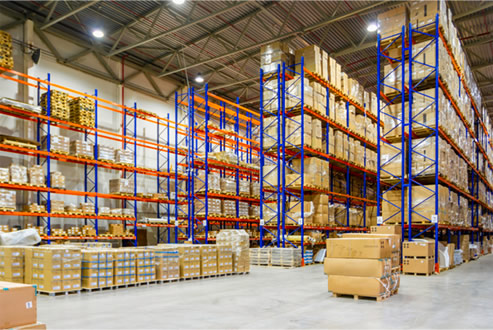
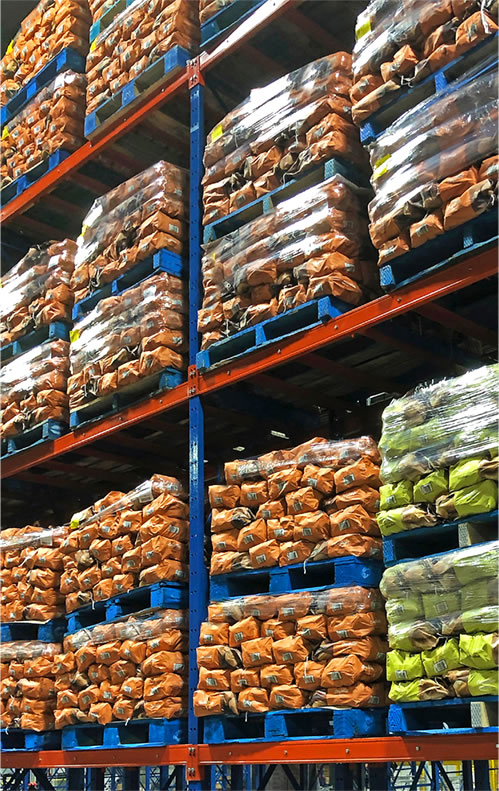
The first thing you'll need to think about is your pallets. The products you store will determine the size of the pallets you'll be using, and ultimately, what size racking you'll need. You should also consider the quantity and how many pallets you'll need to store the entirety of your stock. Depending on the type of stock you'll be storing, you'll need to decide whether standard pallets or plastic pallets will be most suitable.
Warehouse Layout
The size, shape and height of your warehouse as well as the positioning of entry and exit points and windows will need to be considered when determining what type of racking to use. A workspace solutions expert like Avanta UK will be able to carry out an in-depth analysis of your warehouse's capabilities and provide you with ways to improve your warehouse's layout, functionality and and operations to give you the most efficient working environment.

Choosing Storage Racking & Handling System
Wide Aisle Racking
Choosing the Most Suitable Vehicle For Your Operations
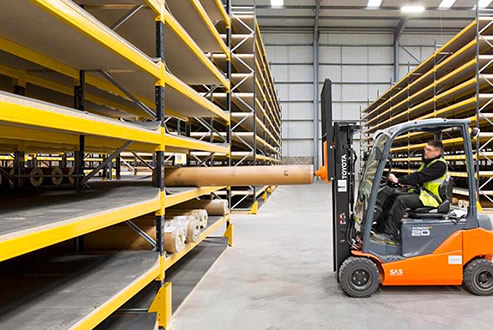
Depending on the nature of your operations, you'll need to think about which vehicle is most suitable to work in harmony with your racking system(s). There are three types of commonly used warehouse vehicles, these are: Counterbalance Forklift Truck - commonly used to unload goods in and out of the warehouse. These are available in either electric, gas or diesel powered to suit your exact needs. Reach Truck - this vehicle is most commonly used to load and pick from regular types of racking e.g. Wide Aisle and Double Deep Racking. Narrow Aisle Turret Truck - the clue is in the name. This vehicle is used to operate alongside narrow aisle racking. Very Narrow Aisle trucks are also an option.

Safety Considerations
In order to keep accidents to a minimum, it's important that you display the correct safety and hazard signage around your warehouse, especially where loading and picking is concerned. For example, emergency exits need to be properly signed and free from clutter. You should also consider barrier rails to reduce the impact of forklift accidents, walkway guard barriers to protect passers-by and pallet racking protectors to prevent damage to your racking. It's also important that you clearly specify various areas such as walkways and loading bays with colour coded line markings.
Which Aisle Orientation Is Best?
Firstly, it's important to mention that the external dimensions of your warehouse should be close to a ratio of 2:1. This will ensure you have maximum flexibility of the internal layout, you'll have more space for building expansion and you'll have more choice when it comes to aisle orientation. The most common (and reliable) types of racking orientation are: Fishbone - this concept consists of the central aisle being vertical to length with the racks parallel to length. Hair Comb - here, the central aisle is parallel to length with racks being vertical to length. Whichever orientation you choose, be certain that the racking does not obstruct any fire exits. Using a professional workspace creation specialist like Avanta UK will ensure that the design, orientation and flow of goods is proposed with health and safety at its forefront.

Flow of Goods
