
Understanding Risk in Warehouse Environments
Every warehouse carries a degree of risk. From opportunistic theft to administrative errors and environmental damage, stock can be lost in dozens of small, but potentially costly ways. The first step towards stronger security is understanding where those vulnerabilities lie.
Why Warehouse Stock Security Matters
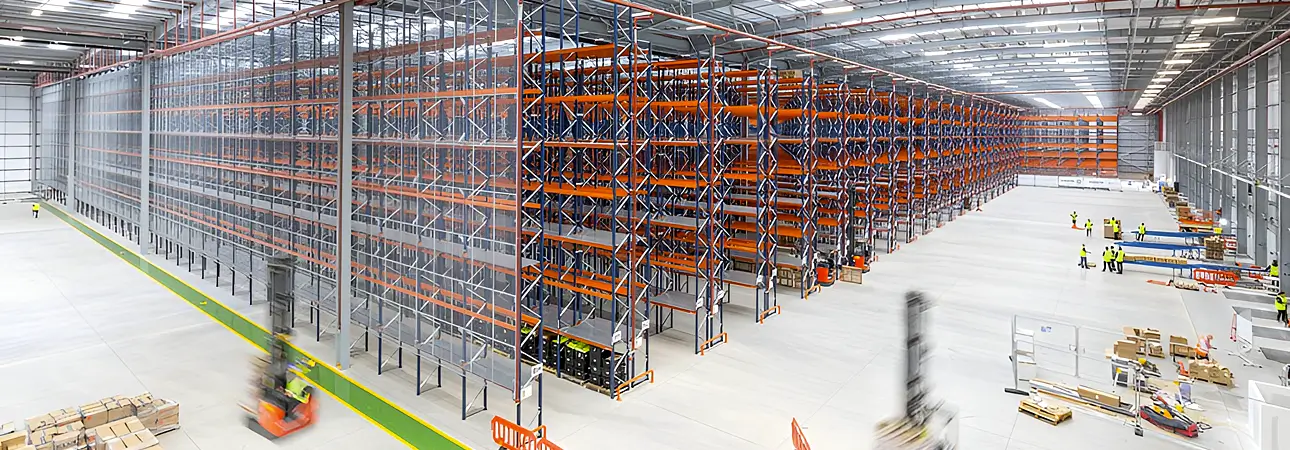
For most businesses, inventory is one of the largest assets on the balance sheet. Yet it’s also one of the easiest to lose control of. A single misplaced pallet, an untracked return, or a weak point in access control can ripple through your workflow, causing lost sales, downtime, and unnecessary expense.
But losses don’t always come from outside intruders. Internal theft, procedural shortcuts, and simple mistakes often account for a significant share of warehouse shrinkage. These problems rarely appear overnight. In fact they usually build up quietly, often as a result of poor visibility, layout inefficiencies, or a lack of clear accountability.
Common Areas of Vulnerability
Every facility has its weak spots, and some common examples include:
- Receiving and dispatch zones: high-traffic areas where goods are most likely to go missing or be mis-scanned.
- High-value storage areas: Obvious targets for theft if they aren’t properly partitioned or monitored.
- Multiple floor and access points: Can introduce blind spots that CCTV or staff supervision may overlook.
- Data and system errors: Opportunities for digital theft; stock that disappears from the system even though it’s physically present.
As part of any warehouse design or refurbishment project, it’s important to fully assess the space and identify possible security risks so that a suitable plan for protecting stock can be put in place.
A Layered Approach to Protecting Stock
No single measure can protect a warehouse on its own. True security comes from combining multiple defences that work together to prevent, detect, and respond to risk.
A layered approach means thinking about security as an integrated system rather then a set of isolated fixes. Physical barriers, operational processes, and digital safeguards should all complement one another so if one layer is breached, the next catches what’s missed. This turns warehouse security from a reactive exercise into a built-in part of the design and daily operation, where every element contributes to protecting stock integrity and business continuity.
The Five Pillars of Warehouse Security
To put this layered approach into practice, there are five key areas every warehouse should focus on:
| 1. Physical Security | Structural and environmental measures that prevent unauthorised access and deter theft. |
| 2. Inventory & Operational Security | Systems and processes that ensure every item is tracked, verified, and accounted for. |
| 3. Staff & Internal Security | People-focused practices that build accountability, awareness, and shared responsibility. |
| 5. Loss Prevention & Environmental Security | Safeguards that protect stock from damage, fire, and environmental risks. |
| 5. Digital & Data Security | Protection of the systems and information that underpin modern warehouse operations. |
These pillars work together to support a complete framework for a resilient and efficient warehouse with robust security baked into the design, systems, and processes used to operate it.
Let’s take a look at each in more detail and what they mean in practice.
1. Physical Security
Physical security is the backbone of any warehouse protection strategy. It’s the first and most visible layer that deters theft, restricts access, and helps maintain control over where stock is stored and how it moves through the facility.
The foundation of warehouse security is a solid, well-designed physical environment. The layout of your warehouse, how the space is divided, and how you manage access can make the difference between a secure operation and one that’s vulnerable to loss.
Access Control & Perimeter Protection
Controlling who can enter your warehouse and where they can go is fundamental to effective warehouse security. This involves:
- Access points: Limiting entry to authorised personnel using keycards, PIN systems, or biometric readers. Zoning can also be used so staff can only access the areas relevant to their roles.
- Perimeter security: Doors, windows, and loading bays should be secured with robust locks, shutters, or gates. Lighting and clear visibility are just as important because dark corners and poorly lit perimeters often invite risk.
- Visitor management: Keeping a log of all visitors and contractors means you’re able to accurately track who enters the warehouse and when. Requiring identification and supervision within restricted areas also helps to reduce risk.
CCTV & Surveillance
CCTV plays a dual role: it provides real-time monitoring of warehouse activity while also acting as a strong visual deterrent and improving overall visibility across the site. When installing a CCTV system it’s important to think about:
- Camera coverage: Install cameras covering entrances, exits, loading bays, and any area where high-value stock is stored or handled.
- System integration: Use CCTV systems that integrate with your warehouse management software for traceability and efficient investigation.
- Footage review: Regularly review recordings to ensure compliance and identify potential issues like blind spots or processes not being followed by personnel.
- Signage and awareness: Maintain clear signage to remind staff and visitors that the site is monitored, which acts as a strong visible deterrent to theft.
Partitions & Secure Zones
One of the best ways to create controlled zones within a warehouse is by using steel partitions. They’re an efficient and adaptable solution for protecting high-value stock or sensitive materials without interrupting day-to-day operations.
Using partitioning to divide a warehouse also improves workflow by reducing unnecessary movement and keeping specific product types segregated for efficiency and compliance. Some common types include:
- Mesh partitions: Providing strong physical protection while maintaining visibility and airflow, mesh partitions are ideal for areas where supervision, CCTV coverage, or environmental consistency are important.
- Solid panels: These partitions offer privacy and environmental separation, such as for temperature control, dust containment, or noise reduction. They’re well suited for enclosed offices, clean zones, or sensitive storage areas.
- Double Skin partitions: Combining the durability of steel with a smooth, enclosed finish on both sides, double skin partitions offer a clean, professional appearance. They also provide improved sound insulation, strength, and fire resistance which makes them a good choice for creating high-security storage rooms within the warehouse.
- Lockable access doors: Ensure only authorised staff can enter high-risk or restricted areas. Access can be managed with keypads, keycards, or integrated access systems.
Mesh Cages & Enclosures
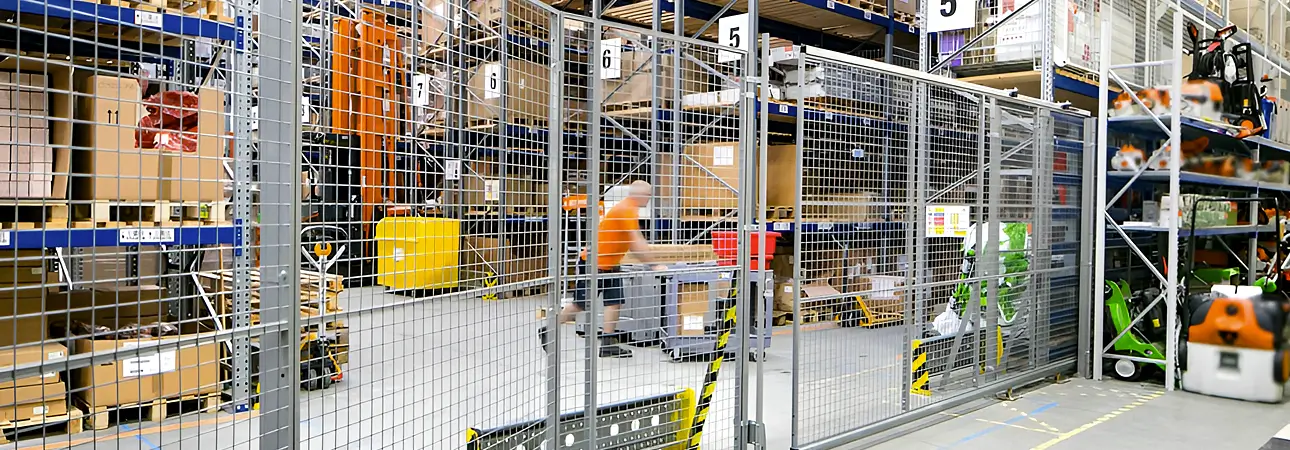
Mesh cages provide a highly secure and flexible way to protect valuable or restricted goods within the warehouse. They combine strength, visibility, and airflow, which makes them ideal for controlled storage areas that still need easy supervision and CCTV coverage. Key benefits of mesh cages include:
- High-security protection: Ideal for storing high-value or sensitive items such as electronics, alcohol, pharmaceuticals, or tools.
- Design flexibility: Available as standalone enclosures or integrated into new or existing racking systems to make the most of available floor space.
- Full enclosure options: Ceiling panels and tamper-proof fixings prevent access from above and enhance overall security.
- Visibility and monitoring: The open mesh design allows clear lines of sight for supervisors and CCTV systems, maintaining safety and security.
- Access control: Locking options can include padlocks, keypads, or electronic access systems, depending on operational needs.
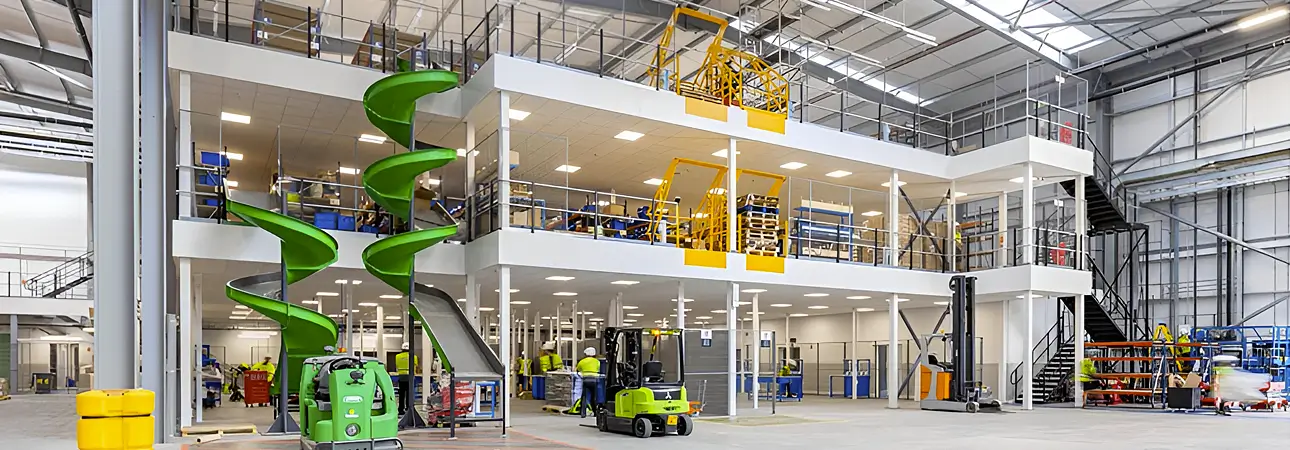
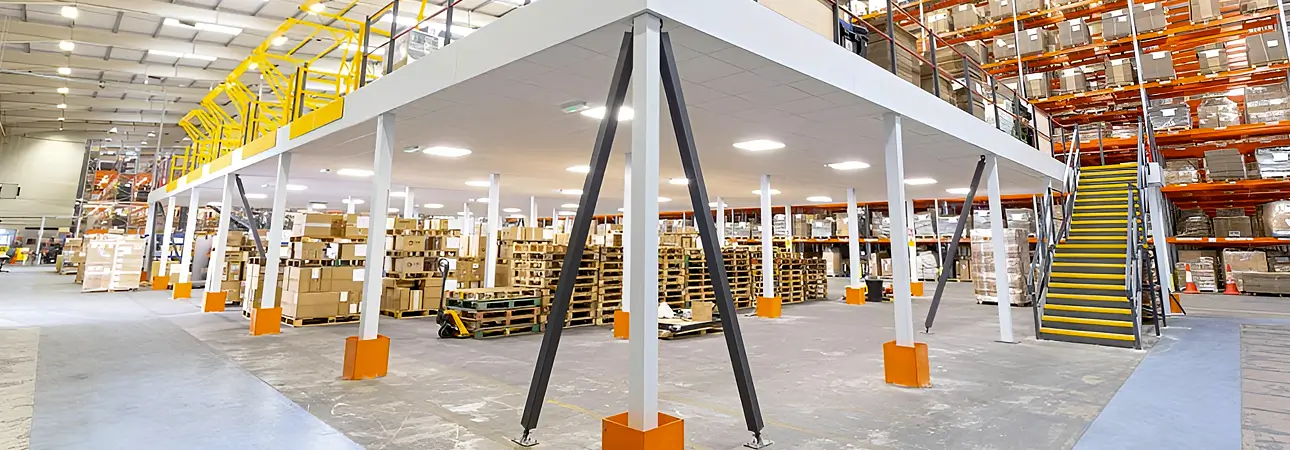
Mezzanine Floor Security
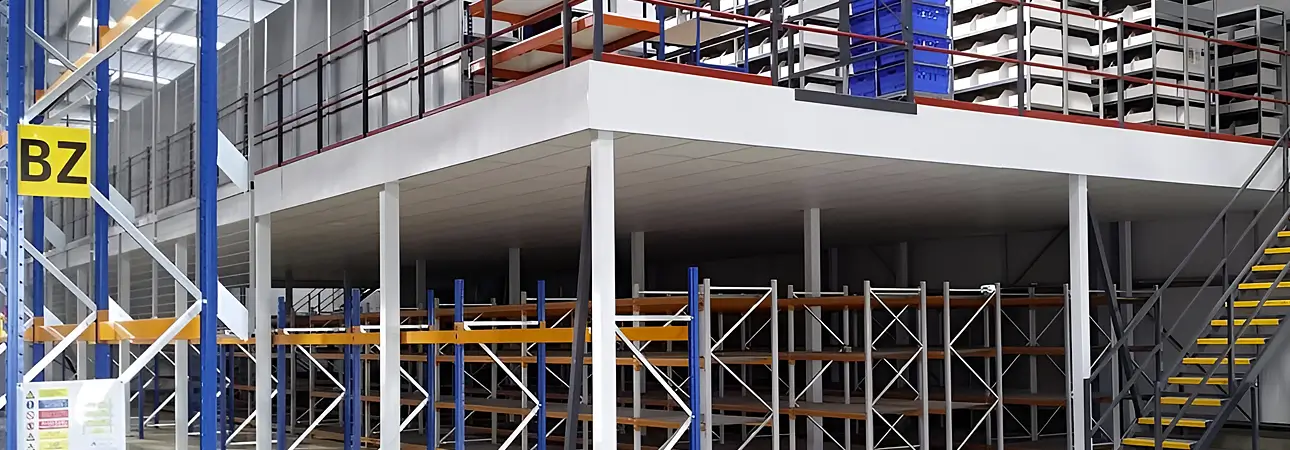
Mezzanine floors add valuable storage and workspace capacity to warehouses. But when installing a mezzanine, it’s important to identify and implement any additional safety and security requirements as part of the project. Some of the main things to consider are:
- Controlled access: Restricting mezzanine entry points with lockable staircases, gates, or controlled access systems reduces the risk of theft, injury, or misuse. For example if a mezzanine is used for valuable goods storage, robotics, or machinery.
- Perimeter protection: Using guardrails, handrails, and mesh panels along open edges prevents both unauthorised access and accidental drops of goods or equipment, and ensures compliance.
- Visibility and surveillance: Positioning CCTV cameras to cover both upper and lower levels eliminates blind spots created by racking or platforms.
- Load security: Ensuring racking or shelving on mezzanine levels is correctly installed, load-tested, and inspected regularly maintains structural integrity, as well as ensuring that the mezzanine itself is designed to handle the required load.
- Integrated safety design: Include emergency exits, lighting, and clear floor markings to ensure safe evacuation and compliance with building and fire regulations. In some cases additional mezzanine fire protection measures may be needed.
Integrating Alarms & Lighting
While the mechanisms we’ve looked at so far are for the most part passive forms of security, it’s also sensible to include reactive elements like alarms and lighting systems. When properly integrated, they enhance visibility, deter intruders, and provide rapid alerts if something goes wrong. These include:
- Alarms: Motion detectors, door contacts, and break-beam sensors can be linked to CCTV and access control systems for coordinated responses. Smart alarms can also send real-time alerts to security teams or management.
- Lighting for visibility: Well-planned lighting reduces blind spots, improves CCTV image quality, and helps staff feel safer. Entrances, exits, and external areas should all be well illuminated, particularly around loading bays and storage zones.
- Responsive lighting: Motion-activated or sensor-based lighting can reduce energy costs while providing illumination when movement is detected in restricted areas or outside normal working hours.
- Integrated systems: Connecting alarms, access control, and CCTV through a central system can improve overall situational awareness and response times.
Designing Spaces That Protect & Deter
In terms of physical security, good warehouse design works on two levels:
- It makes theft physically more difficult.
- It makes theft more risky and less appealing in the first place, particularly for opportunists.
Tightly controlled access points, clear sightlines and visibility, and prominent surveillance mean that every movement through the warehouse becomes more visible. Barriers, cages, lighting, and structured layouts all work to prevent (or at least slow down) unauthorised access and remove easy hiding places or escape routes.
At the same time, this level of security projects authority and awareness. A warehouse that looks secure typically is secure, and that perception can be a powerful deterrent that reinforces the physical barriers already in place.
2. Inventory & Operational Security
In many warehouses, one of the biggest risks of stock loss doesn't come from theft at all. It actually comes from process failures such as miscounts, undocumented transfers, or simple handling errors that create uncertainty and opportunity for loss.
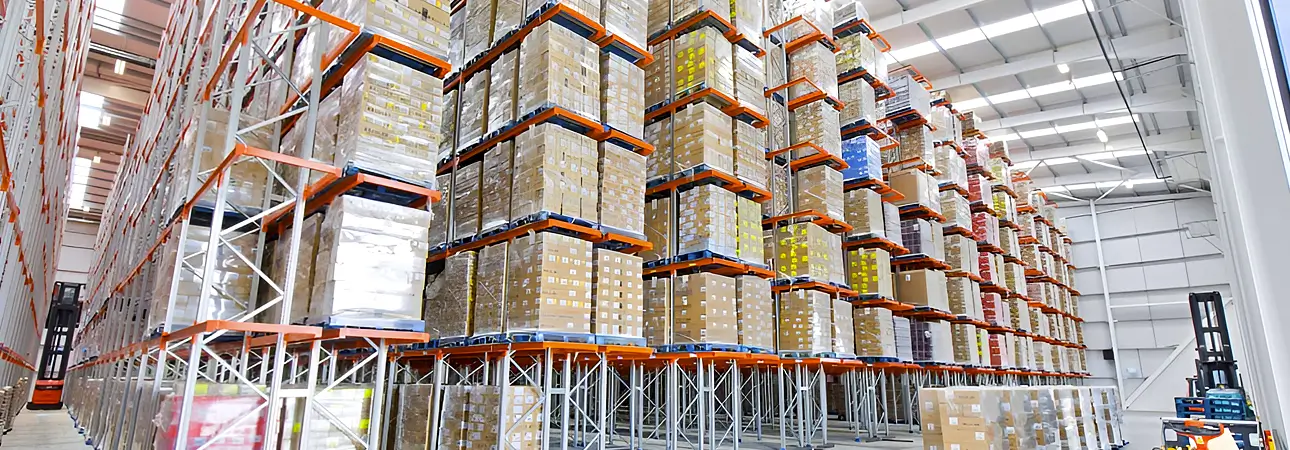
Physical barriers protect your assets, but it’s the accuracy of your stock data and the effectiveness of your processes that keep those assets secure day-to-day.
Reliable systems and well-managed workflows prevent losses caused by mishandling or human error by creating visibility, traceability, and confidence that every item can be accounted for, from arrival to dispatch.
Accurate, Real-Time Visibility
Visibility prevents loss. A modern Warehouse Management System (WMS), barcode scanning, or RFID tagging gives you a live view of every product’s journey as it makes its way through your warehouse.
hese systems shift stock control from reactive counting to proactive management; each scan creates a data point, building a traceable chain of custody that shows exactly where stock is and who handled it. This level of digital tracking helps to reduce manual errors, discrepancies, and misplacement of goods. Meanwhile, real-time information highlights delays, bottlenecks, or anomalies so they can be rectified before they become costly problems.
Segregation of Duties & Clear Accountability
The risk of losses within a warehouse can increase when individuals have too much unchecked control over multiple steps of a process. A safeguard against this is to segregate duties so that no single person has complete control over stock movement from start to finish. Separating responsibilities across different roles creates a transparent audit trail which helps to build shared accountability and makes misuse or error far easier to spot, and far harder to conceal.
For example, one person might receive goods, another records them in the system, and a third verifies counts or approves dispatch.
Supervisors should authorise any manual adjustments or write-offs, ensuring that exceptions are properly reviewed. Restricting who can move stock between different zones or update digital records adds another layer of protection, and staff should have clearly defined access rights within both the warehouse and its digital systems.
Audits, Cycle Counts & Spot Checks
Regular verification keeps inventory data accurate and reliable. Frequent cycle counts help maintain up-to-date records without the disruption of full stocktakes, while random spot checks on high-value or fast-moving items reinforce accountability.
Any discrepancies should be logged and investigated promptly to uncover their cause and prevent recurrence. By making verification a routine part of your workflow, accuracy and in turn a reduced risk of stock loss, becomes embedded in the culture of your warehouse.
Receiving and Dispatch Controls
The points where goods enter and leave the warehouse usually present the highest risk for loss or error. Controlled gates, scanning procedures, and clear documentation ensure every shipment is verified and traceable.
Keeping receiving and dispatch zones separate also prevents confusion, while digital confirmations or signed transfer notes create accountability at each handover. With these safeguards in place, every item has a clear and recorded origin, destination, and handler when it enters and leaves the warehouse.
Workflow & Layout Optimisation
A well-planned warehouse layout is important for efficiency, but it also supports security as well. Logical zoning and an organised flow of goods through the facility reduce unnecessary handling, limit access to sensitive areas, and make it easier to monitor activity across the site.
- Intelligent zoning: Group products by type, value, or handling requirement to reduce errors and improve traceability.
- Control access: Place high-value or restricted stock deeper within the warehouse, ideally under CCTV coverage and away from public-facing areas.
- Streamline movement: Design pick paths and traffic routes that minimise congestion and crossovers between staff and vehicles.
- Maintain visibility: Keep racking and shelving aisles wide enough and open to support clear sightlines for supervision and cameras, particularly for higher value goods.
- Plan for growth: Build flexibility into your layout so new racking, cages, or zones can be added without disrupting existing workflows.
3. Staff & Internal Security
Almost every process in a warehouse ultimately relies on people, and the best-designed systems are only as strong as the behaviour, awareness, and consistency of the staff who run them. Your team is both your greatest asset and, if the right controls aren’t in place, your greatest vulnerability. Internal theft, procedural shortcuts, and lack of awareness can undermine even the best physical and digital safeguards.
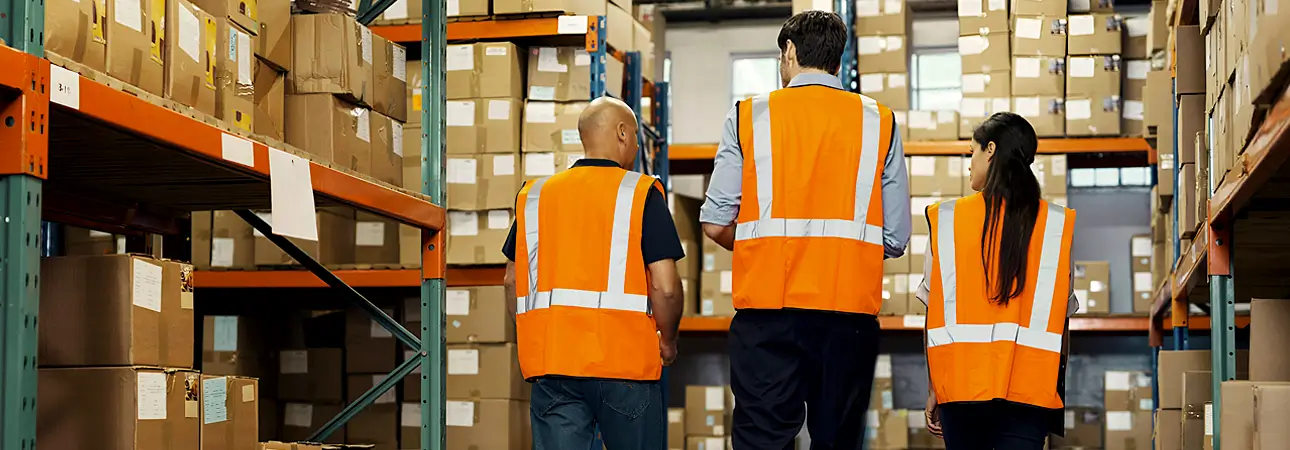
Rather than focusing on suspicion, a secure warehouse environment should be about shared responsibility. When everyone understands that protecting stock also protects jobs, efficiency, and safety, then security becomes engrained within the workplace culture.
Staff Vetting & Role-Based Access
Start with the basics by making sure everyone in the warehouse has been properly vetted and is given access to only what they need. Consider making background checks standard, particularly for employees with access to high-value stock or sensitive systems.
Once on site, role-based permissions mean staff can only access the areas and use the systems that are relevant to their responsibilities. For example, a picker doesn’t need administrative access to the WMS, and maintenance teams shouldn’t enter high-value or potentially dangerous cages unsupervised.
Training & Awareness
When staff understand why controls exist, they’re more likely to follow them and less likely to cut corners. But security training doesn’t need to be complicated, it just needs to be consistent. Short sessions, regular refreshers, and clear signage all help reinforce good habits.
Security awareness training should cover aspects such as:
- Spotting and reporting unusual activity
- Safe handling of restricted or high-value goods
- Understanding how audits, access control, and CCTV protect people as well as stock.
Any training should be relevant and ensure that staff understand exactly how to apply it in practice. It’s also important to reinforce that warehouse security is not primarily about distrust of staff and is actually about the teamwork and professionalism needed to operate a successful facility.
Building a Culture of Trust & Accountability
This can sometimes be one of the hardest areas to get right, but it’s also one of the most important. Most internal losses don’t come from individuals who are planning theft from the start of their employment, but from opportunity, inconsistency, or misunderstanding.
However when staff feel included in the solution, not targeted by it, they’re far more likely to safeguard the operation themselves. This also encourages feedback from those most involved in operations on security issues or opportunities to improve safety and reduce stock loss.
- If practical, rotate duties in high-risk zones so no single person always handles the same items. This can also help to avoid over-familiarity with controls or potential misuse.
- Keep processes transparent so everyone knows how checks work and why they exist.
- Provide a way for staff to raise concerns confidentially, and talk openly about the cost of shrinkage to the business.
Managing Visitors & Contractors
Workplace culture, training, and procedures for staff are all essential, but visitors, delivery drivers, and contractors can easily fall outside normal security processes. That’s why these interactions need to be explicitly covered by your security policy.
Clear boundaries make it easier to spot unusual activity and maintain control over who’s on site at any time. For example:
- Visitors should sign in and out and you should always maintain a visitor log.
- Access should be limited to the areas or systems external personal need, and automatically expire to prevent unauthorised access once tasks are complete.
- For both security and safety reasons, visitors should not be left unsupervised or unmonitored in operational parts of the warehouse.
- Any stock movements, especially those that fall outside normal picking or dispatch routes, should be closely monitored to maintain traceability and prevent loss.
4. Loss Prevention & Environmental Security
Not all stock losses in a warehouse come from theft or human error. Temperature changes, leaks, dust, contamination, and fire can be a lot more destructive and cause greater loss than a single security breach. On top of this, they can often go unnoticed until it’s too late.
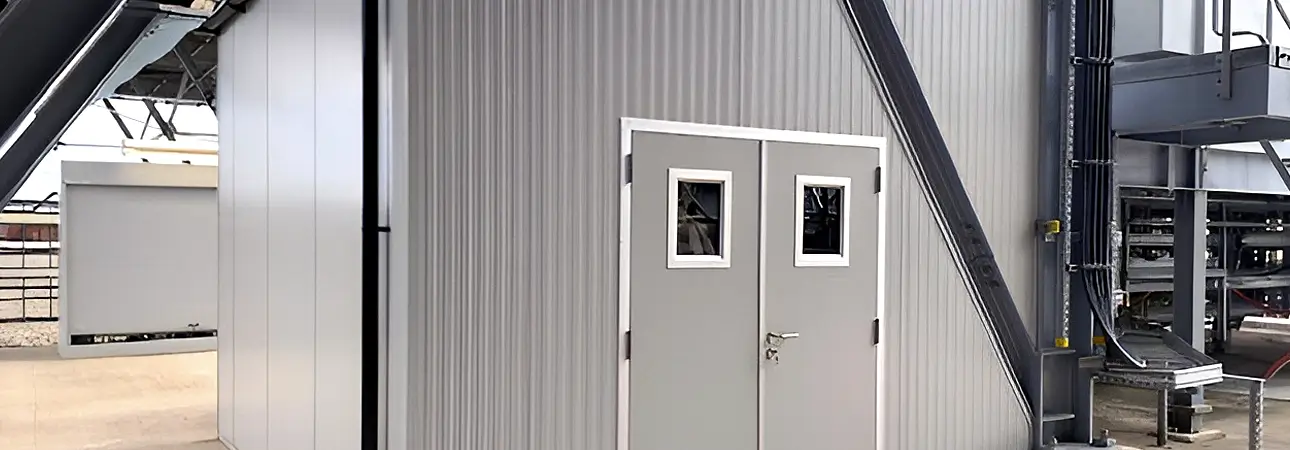
A secure warehouse should not only protect against theft, it should be designed and managed to protect stock from environmental damage. Keeping internal conditions stable, safe, and predictable reduces risks before they become incidents.
Fire Safety & Prevention
Fire is one of the most serious risks in any warehouse environment. These are spaces that typically contain high racking, densely packed storage, machinery and electronics, and a mix of goods and materials including some that may be highly flammable. These factors all contribute to not only an increased risk of fire, but ones that are difficult and dangerous to contain when they start.
That’s why regulations around fire safety in warehouses are rightly so stringent. But fire protection isn’t just an exercise in compliance. It’s an essential part of warehouse design that safeguards staff, protects stock, and helps ensure operational continuity should a fire happen.
A strong fire-protection strategy includes:
- Detection: Smoke and heat detectors placed to suit ceiling height, airflow, and racking layout.
- Suppression: Sprinkler coverage across all zones including mezzanines and enclosed areas, plus extinguishers and fire-resistant panels.
- Segregation: Fire-rated partitions or double-skin walls to isolate high-risk zones such as flammable or battery-charging areas. Mesh and partition systems must allow sprinkler penetration and airflow where required.
- Access & escape: Clear routes, illuminated signage, and unobstructed exits.
- Maintenance: Routine testing, inspection, and staff training.
Temperature, Humidity, & Air Quality
Even minor changes in environmental conditions can damage stock, particularly things like electronics, pharmaceuticals, and perishables. Maintaining stable internal conditions keeps products safe and prolongs storage life. Ways of managing conditions in your warehouse include:
- Installing temperature and humidity sensors that feed data to your warehouse management or building control system.
- Setting automatic alerts when thresholds are breached.
- Creating climate-controlled or ventilated zones for sensitive goods.
- Using airflow management, insulation, and dehumidifiers to prevent condensation, rust, or dust accumulation.
Water & Leak Protection
While not usually as dangerous as fire, water can often be just as destructive in a warehouse. A burst pipe, roof leak, or flood can cause devastating stock loss in minutes. Even minor water ingress can damage goods and packaging, warp materials, or compromise electronics. The good news is that some simple design choices can make all the difference between a minor issue and a major loss, including:
- Storing high-value or vulnerable goods above floor level on pallets, shelves, or mezzanines.
- Installing drains, sump pumps, or raised thresholds in vulnerable areas.
- Scheduling regular inspections of roofs, gutters, and plumbing.
- Using leak or moisture sensors in critical zones to automatically alert staff.
Contamination, Dust & Cleanliness
Airborne dust, debris, and cross-contamination can quietly degrade stock quality, especially in sectors such as food, pharmaceuticals, or precision manufacturing. Maintaining clean, well-controlled environments is therefore essential to preserving product yield levels and integrity.
Effective measures include maintaining good airflow, sealing exposed insulation or wall cavities, and using easy-to-clean surfaces throughout storage areas. Where stricter environmental control is required, consider creating clean rooms or enclosed processing zones using partition systems.
Double-skin or white wall partitions can provide the necessary separation, allowing air quality, temperature, and humidity to be controlled independently from the rest of the warehouse.
Handling & Damage Prevention
Physical damage to goods when they’re being moved, deposited, or retrieved is a common form of stock loss. However, it's also one of the most avoidable by:
- Ensuring all racking is correctly installed, load-tested, and inspected regularly.
- Using impact protectors and bollards around columns, corners, and access routes.
- Using the right type of racking or shelving and the right equipement such as forklifts or robotics to handle goods.
- Training staff in safe handling procedures and proper pallet stacking.
- Keeping aisles clear and clearly marked to prevent collisions or falls.
5. Digital & Data Security
Modern warehouses run on data and on the technology that uses it. From handheld scanners and tablets to Warehouse Management Systems (WMS), Automated Guided Vehicles (AGVs), and Autonomous Mobile Robots (AMRs), every process depends on digital information being accurate, connected, and secure.
A cyber breach, system error, or unauthorised change can have the same impact as physical theft: lost stock, halted operations, and damaged customer trust.
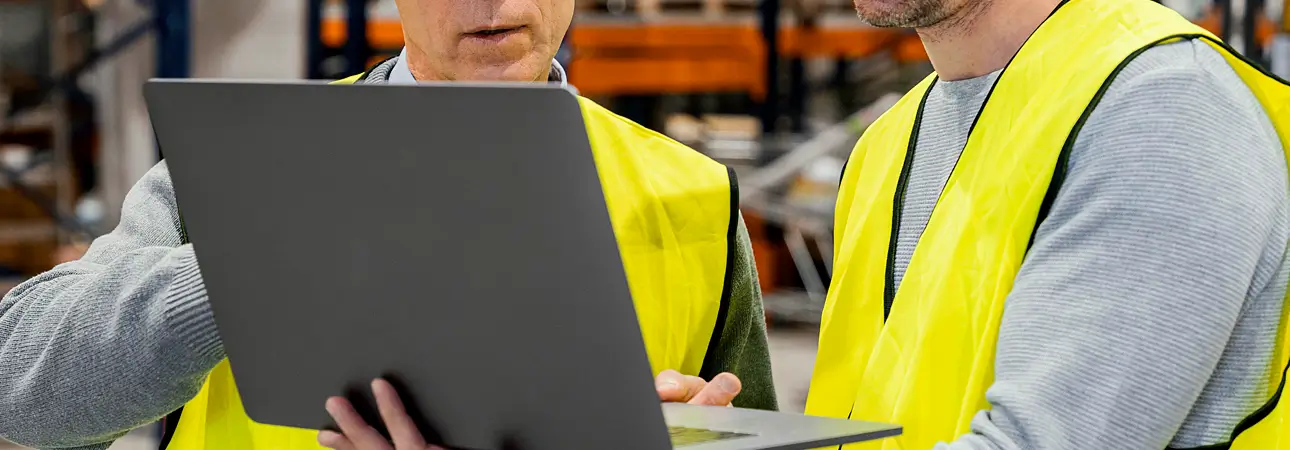
If digital systems fail or are compromised, the ripple effect can stop production, block dispatch, or even immobilise automated equipment. Effective digital security protects not just your data and your stock, it protects your ability to operate.
Protecting Warehouse Systems
Your WMS, ERP, and connected devices form the digital backbone of your operation. If these systems are compromised, everything from order fulfilment to audit trails can break down.
Some simple steps to safeguard your systems against external attacks as well as accidental data loss and internal attacks include:
- Access control: Use strong passwords and multi-factor authentication (MFA) for all logins. Avoid shared accounts so that every user’s activity is traceable.
- Permission levels: Restrict administrative rights to essential users, and enable staff to only access the systems and functions they need for their role.
- System updates: Keep software, integrations, and device firmware current, including AGV and AMR controls.
- Data backups: Schedule automatic backups and regularly test recovery processes.
Access Logs and Digital Traceability
Digital access logs act like CCTV for your systems, recording who made what changes, when, and why. Regularly reviewing these logs helps identify unauthorised access or unusual activity, trace discrepancies back to their source, and strengthen accountability between your digital records and physical controls.
For example, if a stock adjustment doesn’t match a physical count, you can quickly see who approved it and when. The level of clarity helps to pinpoint security issues, and also acts as a deterrent against internal misuse or manipulation of your systems and data.
Device and Network Security
In today’s networked warehouses, almost every connected device is a potential entry point for risk. Handheld scanners, tablets, and control units are invaluable for efficiency, but it’s vital that they are correctly secured. It’s also important to ensure that should devices be lost or stolen, no one can access sensitive information or manipulate stock records. This means:
- Using encrypted, password-protected Wi-Fi and blocking unsecured connections.
- Managing devices centrally with mobile device management (MDM) tools for updates, monitoring, and remote lockouts.
- Keeping AGVs and AMRs on secured internal networks to prevent interference or unauthorised control.
- Maintaining firewalls, antivirus protection, and intrusion detection across both IT and operational systems.
Cybersecurity as Part of Warehouse Design
For most warehouses, responsibility for cybersecurity is an IT issue. But it’s also an important part of warehouse design too. When planning a new facility or refit, think about:
- Where network equipment is housed and how it’s protected.
- How system access points (kiosks, scanners, terminals) are positioned and secured.
- Protecting cabling and connection points, especially in automated or high-traffic zones.
- Ensuring Wi-Fi coverage supports devices and robotics without dead spots.
Compliance, Safety & Insurance
Strong warehouse security goes beyond simply protecting stock. It safeguards the entire business from the financial and legal consequences of preventable incidents; a well-designed warehouse combines safety, compliance, and efficiency into one coherent system.
Compliance by Design
Compliance is a framework that can sometimes have a significant influence over how a warehouse functions. Facilities that operate successfully are able to translate regulatory requirements into practical decisions that make the space more efficient and productive, as well as safer.
So when refitting or setting up a warehouse, it’s important to work with a specialist who will be able to advise on safety obligations from the outset. Because regulations can influence everything from layout and materials to signage and access, they need to be considered early in the process.
Good workspace design therefore means being able to find the right combination of compliance, efficiency, and flexibility. It creates an environment where safety systems, workflow, and storage and layout all support each other, so compliance becomes a constructive part of daily operations, rather than an extra hurdle to overcome.
Health & Safety Executive (HSE) Expectations
Meeting HSE standards protects people, ensures businesses meet legal obligations, and contributes to reliable day-to-day performance of a warehouse. Key design and operational standards include:
- Structural integrity: Professionally installed and load-tested racking, mezzanines, and barriers.
- Visibility and ventilation: Consistent lighting and airflow throughout all zones.
- Fire protection: Appropriate sprinkler coverage, detection systems, and clear access to extinguishers; all installations maintained and tested in line with fire safety regulations.
- Signage and control: Clear markings for vehicle routes, restricted areas, and emergency exits.
- People and process: Ongoing staff training and documented risk assessments.
Insurer Expectations
Insurers usually evaluate how effectively a warehouse manages risk, not just the value of the goods it stores. And the more robust your safety and security systems, the lower your risk of stock loss, accidents, or injuries. That puts you in a better position when negotiating cover and premiums, which can translate into real-world cost savings.
Consistency is also important here; insurers want confidence that safety and security aren’t simply one-off projects, but are integrated into how the warehouse operates on an ongoing basis. The types of things insurers look for include:
- Security infrastructure: Comprehensive CCTV coverage, monitored alarms, and controlled access points.
- Physical protection: Secure cages or partitioned zones for high-value, hazardous, or theft-sensitive stock.
- Regular maintenance: Evidence that fire systems, racking, and environmental controls are inspected and serviced according to schedule.
- Management and structure: Regular audits and clear risk-management policies.
Documentation & Record-Keeping
Having robust safety and security measures is important, but it’s equally important that businesses don’t overlook how those measures are documented.
An accurate and verifiable history of how the warehouse is managed and maintained helps to make audits smooth, but it can also be crucial for managing insurance or legal claims. A strong documentation system typically includes:
- Site plans showing fire exits, secure zones, restricted areas, and safety systems.
- Inspection and servicing records for racking, fire protection, and equipment.
- Training logs and risk assessments for staff and contractors.
- Accurate details of stock levels and its position within the warehouse.
- Version-controlled policies and procedures that reflect how the site is currently operating.
Digital tools can make this significantly easier. For example, a good WMS or connected monitoring platform can automate a lot of the record-keeping that insurers and regulators expect. That gives you data that’s accurate, accessible, and hard to dispute, such as:
- Scheduled maintenance reminders and digital checklists.
- Time-stamped logs for stock movements and system access.
- Integration with CCTV, access control, and environmental sensors.
- Cloud-based storage for safety documentation and audit trails.
- Automated reporting that supports audits and insurance reviews.
Implementation & Future-Proofing
Designing a secure warehouse is one thing, but being able to maintain the same high level of security as the operation grows and changes is another challenge.
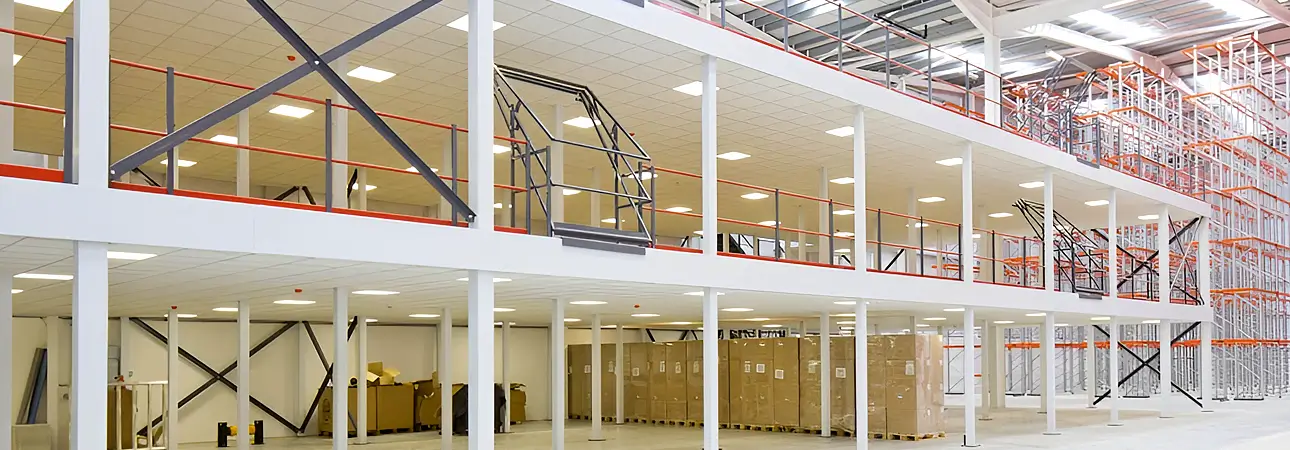
Successful warehouses treat security as a continuous process that integrates robust protective measures from day one, but keeps them flexible enough to evolve alongside business growth, changing requirements, and new technologies.
Planning with Growth in Mind
Security planning should look beyond the initial fit-out. That means understanding not only how the warehouse will function on day one, but how it’s likely to change whether through increased throughput, automation, new product lines, or expanded storage areas.
For example, you might consider:
- Leaving spare electrical and data capacity for future systems.
- Designing secure zones that can expand or contract without major reconstruction.
- Positioning infrastructure so new cameras, readers, or sensors can be added without disruption.
Implementing Security Improvements Without Disruption
Many warehouse improvements don’t start from a blank slate. If you’re upgrading, expanding, or replacing outdated systems, projects can be phased so operations remain uninterrupted.
There isn’t a one size fits all approach here as it depends on your specific workflows, but a phased implementation strategy might look like:
Phase 1: Reinforcing the physical environment: Start by ensuring the facility and any high value goods inside are physically secure. For example, by replacing external doors, adding mesh cages for secure storage, or introducing partitions to define zones.
Phase 2: Improving monitoring and control: Once the warehouse is physically secure, you may want to roll-out updates to how the space is monitored. This could mean expanding CCTV coverage, updating access control systems, or implementing new environmental sensors.
Phase 3: Enhancing digital oversight: With physical security and monitoring systems in place, the next phase could see more sophisticated warehouse management technology being introduced, such as by integrating new tracking tools, audit systems, or exception reporting.
Modular & Flexible Warehouse Design
Designing a future-proof warehouse doesn’t mean creating one that’s overbuilt or loaded with capacity it doesn’t yet need. That would be inefficient. Instead, it means designing a space that’s able to adapt easily as requirements change.
Modular design elements make it possible to evolve the layout, add new systems, or expand secure areas without major disruption or cost. For example:
- Using demountable partitions that can be repositioned as workflows shift.
- Adding scalable access control systems where new readers or credentials can be added with minimal installation work.
- Planning infrastructure routes such as cabling, conduits, and mounting points that support upgrades without altering the building structure.
- Considering where mezzanine levels may need to be added or extended, and making sure suitable load paths, access routes, and service capacity are available.
Case Studies
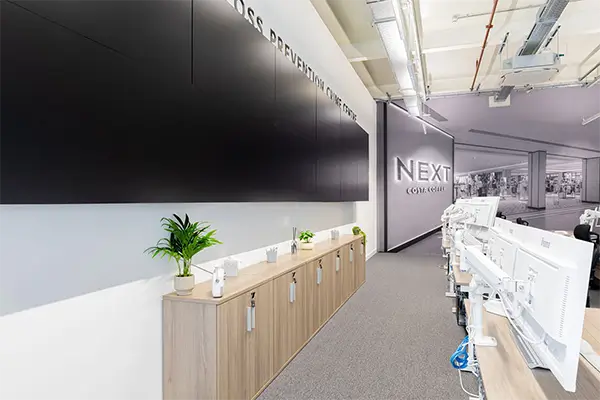
Retail Loss Prevention Office Refurbishment Project
Creating a self-contained retail loss prevention suite for one of the UK's largest multi-channel retailers.
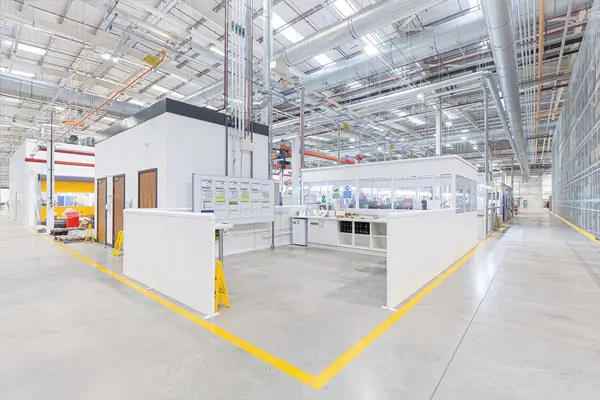
Safe & Secure Enclosed Environments for Aerospace Engineering Facility
Designing and supplying a multiple enclosure solution for various applications across the factory.
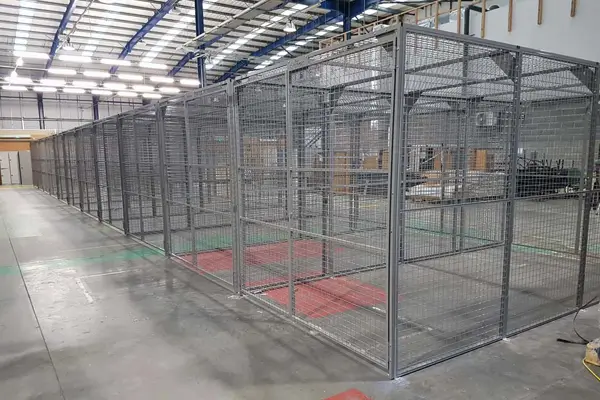
Mesh Cage Project For Police Authority
Creating a secure and segrataged storage area that is demountable and relocatable.
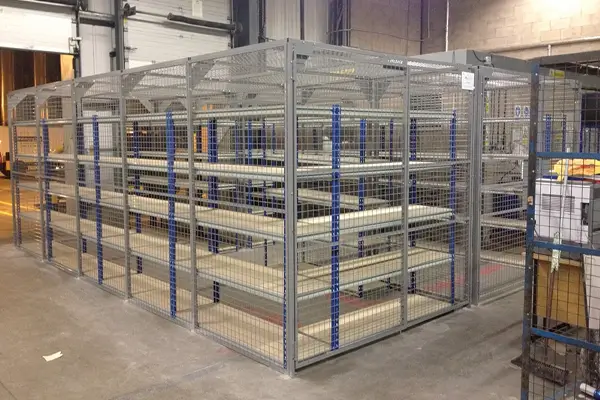
Mesh Cage Programme For Home Delivery Company
Installing a secure storage area for high value items for UK's largest parcel delivery company.
Next Steps For Your Warehouse Security
Security is a fundamental part of warehouse design. But it’s also something that can change rapidly, shaped by new technologies, new risks, and evolving expectations from customers, insurers, and regulators. That’s why the most successful operations are those that treat security as part of continuous improvement, with a built-in capability to adapt rather than simply react.
With rising automation, data-driven decision-making, and increasingly dynamic supply chains, the role of the warehouse will continue to evolve. Facilities that can scale safely, integrate new systems smoothly, and maintain clarity and control during change will be the ones that remain secure and resilient.
A Trusted Partner in Secure Warehouse Design
At Avanta UK, we understand first-hand how the right design and fit-out decisions can set a warehouse up for long-term success. Whether it’s creating secure partitioned zones, planning mezzanine expansions, improving visibility and access control, or designing modular spaces that grow with the business, our approach focuses on building environments that stay effective throughout their entire lifecycle.
If you're looking to develop a new facility or upgrade an existing one, partnering with specialists who understand both operational demands and security principles can make all the difference. With thoughtful design, the right infrastructure, and a forward-looking strategy, you can create a warehouse that’s secure, scalable, and ready for whatever comes next.
To find out more about how our solutions can help you create a secure, future-ready warehouse space, get in touch with our team to discuss your project.
FAQs About Warehouse Security
Q: What are the most common causes of stock loss in warehouses?
A: The biggest causes of loss are typically process errors, internal theft, and environmental damage. While theft often gets the attention, most losses happen through miscounts, misplaced or damaged pallets, and poor visibility of stock movements.
Q: How can I secure high-value stock within a warehouse?
A: Create controlled zones using mesh cages or partitioned rooms, backed by access control and CCTV coverage. Where possible position high-value storage away from loading bays and external walls where risks are highest.
Q: What type of warehouse partition or cage is best for security?
A: For most applications, steel mesh partitions or security cages are ideal. They’re durable, allow airflow and visibility, and can be adapted to fit around racking or machinery. For areas needing privacy or environmental control, solid or fire-rated panels work best.
Q: Do mesh partitions meet fire-safety requirements?
A: Mesh partitions usually support sprinkler penetration and airflow, making them suitable for many secure-storage applications while complying with fire regulations.
Q: What should I include in a warehouse security audit?
A: Review physical controls (access, lighting, alarms), inventory accuracy, staff permissions, digital security, and fire or environmental systems. Regular audits help catch vulnerabilities early.
Q: How often should warehouse security measures be reviewed?
A: At least annually, and whenever operations change. For example when adding mezzanines, expanding storage, or introducing new systems.
Q: Do insurers require specific warehouse security measures?
A: Usually yes. Most expect CCTV, alarms, and access control as standard. High-value goods may require locked or monitored zones.
Q: What’s the biggest security mistake warehouses make?
A: Treating security as a one-off project. Effective protection requires ongoing reviews, aligned teams, and systems that evolve as the warehouse changes.