
What is a Principal Contractor: The Legal Definition

The role of the principal contractor is formally defined by the Construction (Design and Management) Regulations 2015 (CDM 2015), which is the main set of regulations governing how construction projects in the UK are managed for health, safety and welfare.
Under CDM 2015, a principal contractor must be appointed by the client on any project where:
- More than one contractor will be working on the project (which is almost always the case for a warehouse fit-out involving racking, mezzanines, electrics, flooring, partitioning and more), and
- The work is classed as construction work.
Alongside the principal contractor, the regulations also define a principal designer. This is the party responsible for coordinating health and safety during the design and planning phase. CDM 2015 treats these as distinct appointments with separate duties; however, the same organisation may be appointed to both roles where it holds the competence to fulfil each, provided both appointments are made in writing by the client.
What Does a Principal Contractor Actually Do?

The principal contractor's responsibilities span the entire construction phase, and the stakes are significant. According to HSE construction statistics for 2024/25, 39 workers were killed in construction in Great Britain during that reporting period, making it the sector with the highest number of workplace fatalities in the UK. Construction accounts for roughly 26% of all worker deaths despite employing around 5% of the workforce.
The principal contractor exists to manage and reduce this risk on every project. Key duties include:
1. Planning, managing and monitoring the construction phase
The principal contractor produces and maintains the construction phase plan. This is the central document setting out how health and safety will be managed throughout the works.
2. Coordinating all contractors and trades
A warehouse fit-out typically involves multiple specialists: racking installers, mezzanine engineers, electricians, lighting and heating installers, flooring contractors, partitioning teams and fire safety experts. The principal contractor sequences and coordinates every trade so the project runs smoothly without conflicts or costly delays.
3. Ensuring site health and safety
This includes site inductions, controlling access, managing risks, providing welfare facilities, and making sure everyone on site works safely. In practice, that means:
- An SMSTS-qualified site manager present throughout the works
- Regular toolbox talks
- Daily and weekly contractor meetings with recorded minutes
- Liaison with site operations and loss prevention teams
- Independent external health and safety audits at regular intervals
4. Liaising with the principal designer and client
The principal contractor keeps the client informed and ensures design information flows correctly into the build. This includes regular progress updates, flagging any design changes that could affect programme or cost, and making sure health and safety considerations raised during the design phase are carried through into the construction works. Clear communication between all parties reduces the risk of misunderstandings that can lead to rework, delays or safety issues on site.
5. Preparing the health and safety file
At handover, the principal contractor provides documentation covering the completed works. This is essential for future maintenance, inspections and compliance (for example, ongoing racking inspections and load-rating records).
6. Managing the interface with live site operations
Many warehouse construction projects take place while a facility is still partially or fully operational. The principal contractor is responsible for separating construction activity from day-to-day operations, coordinating access routes, managing noise and dust, and ensuring warehouse staff and visitors are not exposed to construction risks. Getting this right keeps your business running while the project progresses safely.
Principal Contractor vs Main Contractor vs Subcontractor

A project, particularly on a larger scale, will often involve several types of contractors. These terms are sometimes confused, but each one fulfils a distinct role:
| Role | Responsibility |
|---|---|
| Principal contractor | Legally appointed under CDM 2015 to manage the whole construction phase and site safety |
| Main contractor | A general term for the lead contractor delivering the works (often the same organisation as the principal contractor) |
| Subcontractor | A specialist engaged to carry out a specific package of work (e.g. electrics, flooring) |
| Principal designer | Appointed under CDM 2015 to coordinate health and safety during the design and planning phase — a distinct role from the construction-phase responsibilities held by the principal contractor |
When considering principal contractor vs main contractor, the practical difference comes down to legal accountability: a principal contractor is a formally appointed role under CDM 2015 carrying specific statutory duties for site safety and coordination, whereas 'main contractor' is a general commercial term for whoever is leading the delivery of the works. In many projects the same organisation fulfils both roles, but they are not legally interchangeable.
Appointing a single, capable principal contractor means you have one clearly accountable partner for the entire project rather than juggling multiple separate contractors and shouldering the coordination risk yourself.
Your Duties as the Client
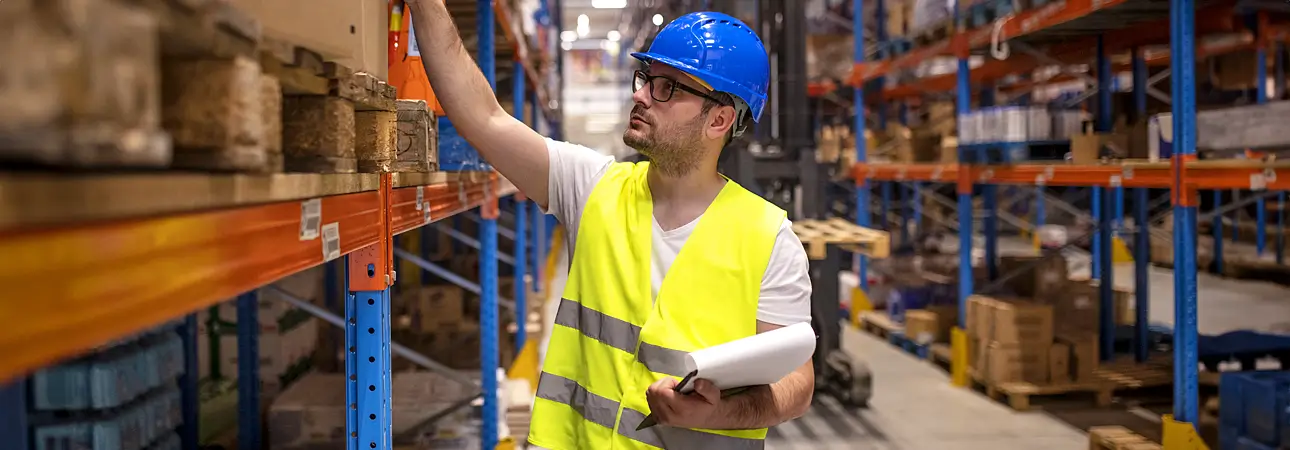
Under CDM 2015, the client (the business commissioning the work) also has legal duties. You must:
- Appoint a principal contractor and principal designer in writing where more than one contractor is involved.
- Make sure sufficient time and resources are allocated.
- Provide relevant pre-construction information.
- Ensure the construction phase plan is in place before work starts.
- Check that welfare facilities are provided.
Appointing an experienced principal contractor makes meeting these duties far simpler; they're able to guide you through your obligations and handle the compliance-heavy elements on your behalf.
Ready to discuss your project? Book a no-obligation site assessment and we'll walk you through your CDM duties and how we can manage the entire project from design to handover.
When Do You Need a Principal Contractor for a Warehouse Project?

A principal contractor is a legal requirement for any construction project that involves more than one contractor. You will almost certainly need a principal contractor if your project involves any combination of:
Warehouse refit or fit-out
Reconfiguring an existing space for new operations usually means several trades are on site at once (such as racking installers, electricians, flooring contractors and fire-safety specialists), each needing access to the same building in a set order.
Without someone coordinating them, work overlaps quickly, creating delays and safety risks. A principal contractor is needed to plan that sequence, control site access and manage each trade, so the project runs safely and on schedule without workers getting in each other's way.
Mezzanine floor installation
A mezzanine floor adds a raised level within an existing building to create extra storage, office or production space. The project brings together structural steelwork, stairs, balustrades, decking, lighting and fire protection, each often delivered by a different specialist.
The principal contractor sequences these trades so that, for example, steelwork is completed and signed off before decking begins, and electrical and fire-safety work follows in the correct order.
Related: How to Build a Mezzanine Floor
Large-scale pallet racking or storage installation
A major pallet racking project rarely involves racking alone. Floor surveys, concrete repairs, sprinkler modifications and updated lighting often need to be completed before a single beam goes up.
The principal contractor manages these enabling works, coordinates the racking installation itself, and ensures the finished system meets load-rating and safety standards.
Dividing or repurposing space within a warehouse
Creating finished office, welfare or meeting space inside an industrial environment, or subdividing a warehouse for different operational uses, typically requires steel partitioning, suspended ceilings, M&E services, flooring and decoration. In many cases, a mezzanine level is also installed to house the new operation, such as office space.
The principal contractor keeps this work separated from ongoing warehouse operations and coordinates the fit-out trades so the new space is delivered ready to occupy without disrupting the rest of the building.
Related: How To divide a Warehouse - Solutions For Layout, Space & Efficiency Challenges
New warehouse or facility fit-out
Fitting out a new or empty unit from shell condition is one of the most complex project types. Every trade is involved from the start; racking, mezzanines, flooring, electrics, lighting, fire protection, loading bay equipment and office partitioning, and all need to be sequenced from a blank canvas.
The principal contractor programmes the entire build, ensures each trade starts and finishes at the right time, and delivers a fully operational facility ready for day one.
Full building refurbishment involving multiple trades
A large-scale refurbishment can combine all of the above plus roofing, cladding, drainage and external works. The principal contractor takes ownership of the entire site, manages the construction phase plan and ensures every contractor is working to one coordinated programme.
Case Studies
Warehouse Transformation for Next Plc
Next Plc required 22,000 square metres of additional floor space at their Dearne Valley facility, delivered as a mezzanine extension on top of an existing two-tier structure while the warehouse remained fully operational with up to 500 employees on site throughout.
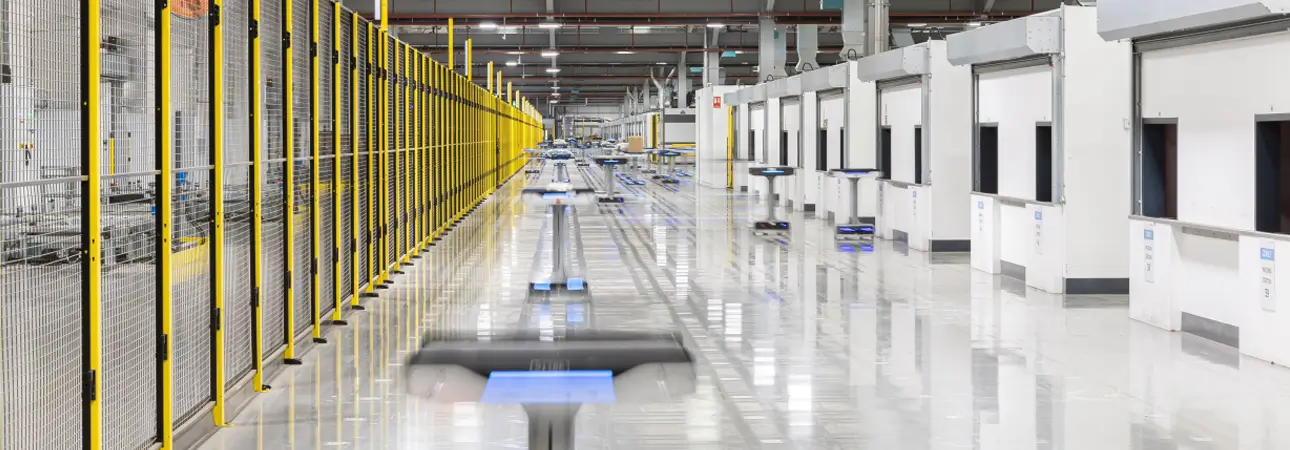
As principal contractor, Avanta managed the full CDM process, coordinated multiple subcontractors and automation technology partners, sequenced over 1,500 tonnes of steelwork and decking installation around live operations using a planned day/night shift strategy, and oversaw the integration of robotic systems, conveyors and racking into the new structure. The project was completed 14 weeks ahead of schedule with zero operational downtime.
Turnkey Warehouse Interior Fit Out
Delivering a full interior fit-out including storage, office space, and services for a leading UK wholesaler, this project required Avanta to act as both Principal Contractor and Principal Designer.
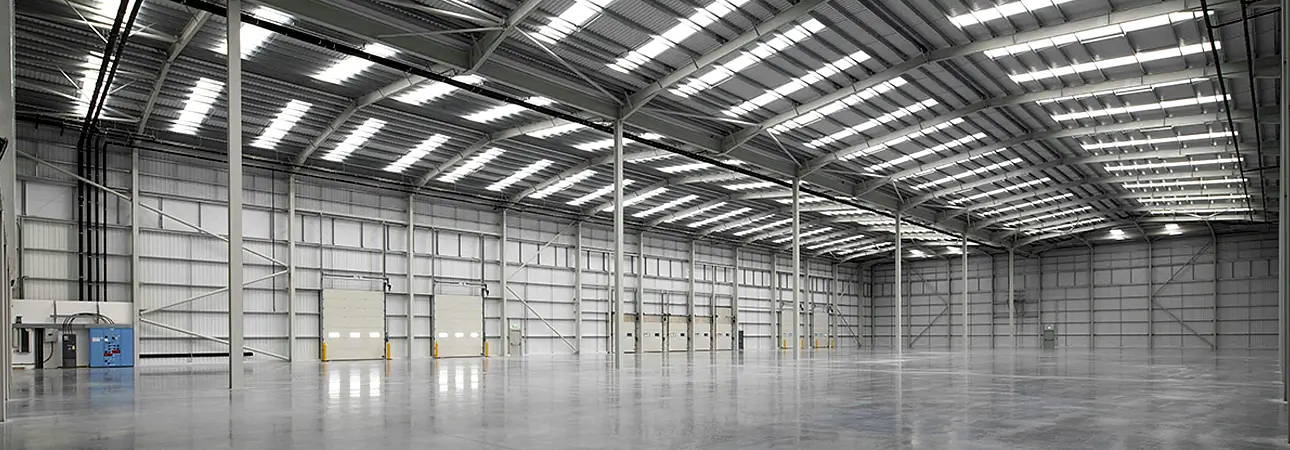
As Principal Designer, Avanta coordinated health and safety from the pre-construction design phase right through to handover, removing potential risks in the layout and ensuring site teams were provided with all relevant information before starting the project. As Principal Contractor, Avanta produced the construction phase plan, set permit and induction regimes, sequenced trades across VNA pallet racking, a three-tier mezzanine structure, longspan shelving, office and welfare space, M&E services and protection solutions, and maintained daily briefings to keep the programme safe and on track. The result was a well-controlled build with a clean handover.
Turnkey Warehouse Interior Fit Out: Read the full case study
The Benefits of Avanta as Your Principal Contractor
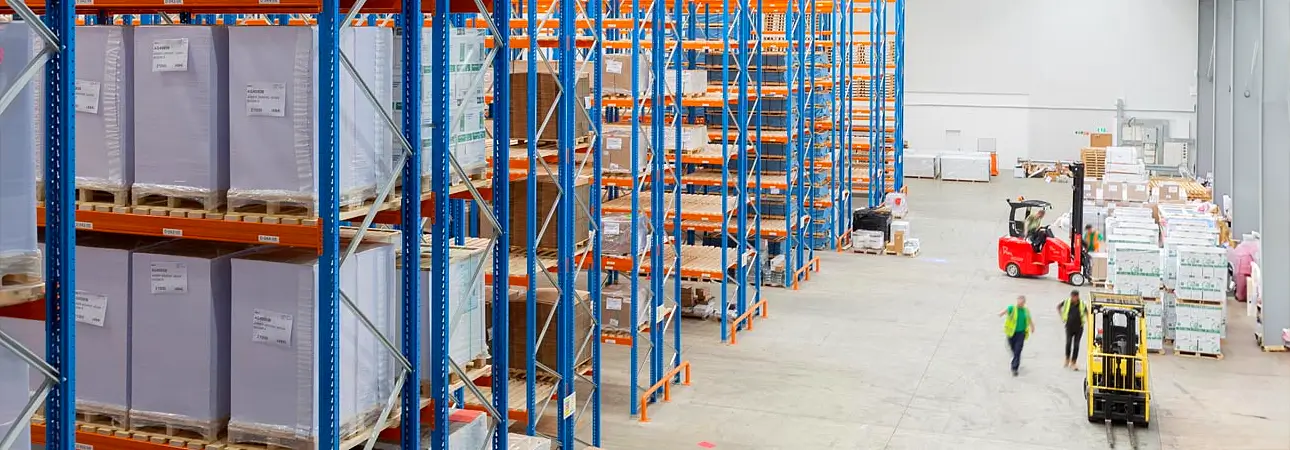
Avanta delivers complete, turnkey warehouse and industrial projects, which makes us ideally positioned to act as your principal contractor.
Here's what that means for you:
Single point of responsibility: Working with one contact and one accountable partner means you don't have to coordinate multiple teams separately because we manage it all, from initial design through to final handover sign-off.
Full CDM 2015 compliance: We handle the construction phase plan, site safety, coordination and health and safety file, so your legal duties are met without placing the administrative burden on your team.
In-house expertise across the full project: Because we design and install pallet racking, mezzanine floors, industrial shelving and storage, and office partitioning, the trades that most often make up a warehouse fit-out are managed under one roof.
Reduced risk and fewer delays: Coordinated sequencing means trades don't clash, materials arrive when needed, and problems are resolved quickly by a team with end-to-end oversight.
Cost certainty: We provide one clear quote and manage the budget across the entire project, so there are no surprise costs from uncoordinated subcontractors.
Safety-first culture: From racking inspection and load-rating compliance to safe site management, safety underpins everything we do. All installation teams are time-served, experienced tradespeople holding the relevant qualifications and site cards, and our Head of Projects is NEBOSH and Tech IOSH qualified.
Industry accreditations and insurance: Avanta holds SafeContractor, CHAS and Constructionline accreditations alongside ISO 9001:2015 certification. We carry employer's liability cover, public and products liability cover, and contractors' all-risks cover, giving you confidence that the principal contractor managing your project meets the highest industry standards.
Flexible working to minimise disruption: We coordinate and manage the project to be as efficient and least disruptive as possible, including access, deliveries, and scheduling tailored around your operational needs to keep your warehouse running while the project progresses.
Types of Project Where Avanta Acts as Principal Contractor
At Avanta, we regularly act as principal contractor across the full range of warehouse and industrial projects, including:
- New warehouse and facility fit-outs (including 3PL and fulfilment centres)
- Existing warehouse refits, refurbishments, and reconfigurations
- Mezzanine floor installations
- Large-scale pallet racking and storage installation
- In-warehouse office creation
- Full building refurbishments involving multiple trades
Principal Contractor FAQs

Q: Is a principal contractor a legal requirement?
A: Under CDM 2015, it's a legal requirement that you must appoint a principal contractor on any project where more than one contractor is involved, which covers most warehouse fit-outs. The client (the business commissioning the works) is legally responsible for making the appointment in writing.
Q: Can the principal contractor also be the principal designer?
A: The principal contractor and principal designer are distinct appointments with separate duties. However, the same organisation may be appointed to both roles where it holds the competence required for each, provided the client makes both appointments in writing.
Q: Will the principal contractor be on site?
A: Yes. The principal contractor should have a dedicated, SMSTS-qualified site manager present throughout the construction phase. They are responsible for day-to-day safety management, contractor coordination, site inductions and liaison with your operations team.
Q: What is a construction phase plan?
A: It's the key document the principal contractor produces to set out how health and safety will be managed during the build.
Q: What's the difference between a principal contractor and a main contractor?
A: A principal contractor is a legally defined role under CDM 2015, carrying specific statutory duties for managing site safety and coordinating all contractors throughout the construction phase. A main contractor is a general commercial term for the company leading the delivery of the works. In practice the same business often fulfils both roles, but the legal obligations attached to the principal contractor appointment are distinct and cannot be treated as informal.
Q: What's the difference between a principal contractor and a project manager?
A: A project manager is a role focused on programme, budget and delivery, making sure the work is completed on time and to specification. A principal contractor carries all of those responsibilities but also holds specific legal duties under CDM 2015 for managing health and safety across the entire construction phase. In short, every principal contractor performs project management, but not every project manager has the statutory safety obligations that come with a principal contractor appointment.
Q: How are principal contractor projects quoted?
A: Avanta provides a single, all-inclusive quote covering design, project management, all trades and CDM compliance. This means you receive one clear cost for the entire project rather than separate quotes from multiple contractors that you then have to reconcile.