
Reconfiguring & Relocating Pallet Racking for 3rd Party Logistics Providers
The third-party logistics (3PL) industry in the UK is rapidly evolving, driven by increasing demand for efficient and flexible supply chain solutions. With the rise of e-commerce and changing consumer expectations, as well as changes to the economic environment, 3PL operators are under pressure to maximise their warehouse space and improve operational efficiency.
Efficient space utilisation and organisation are critical for 3PL businesses to remain competitive and meet client demands. In this article we’ll explore reasons why 3PL providers may need to reconfigure or relocate warehouse racking systems, and provide details about the processes and best practices involved when undertaking this type of project.
Understanding the Needs of 3PL Logistics Operators
3PL logistics operators face unique challenges in managing warehouse space. Current trends indicate a reluctance to invest in new warehouses due to economic uncertainties and rising costs. Instead, there is a growing focus on repurposing and optimising existing storage solutions to meet evolving business needs.
Current Trends in Warehouse Utilisation
The warehousing sector, especially within the 3PL industry, is experiencing significant shifts driven by economic pressures, technological advancements, and evolving client demands. These trends are influencing how logistics warehouses are designed and utilised, prompting operators to adopt innovative strategies to enhance efficiency and adaptability.
Economic Factors
Economic factors, such as fluctuating demand, increasing property prices, and tighter profit margins, are influencing warehousing decisions. Many 3PL operators are avoiding significant capital expenditure on new facilities, opting instead to enhance and optimise their existing warehouse spaces, or relocate to more cost effective premises.
Maximising Existing Assets
To mitigate costs, many 3PL companies are focusing on making the most of their existing assets. This includes reconfiguring current racking systems to better accommodate changing inventories and client needs. Instead of investing in new warehouses, businesses are repurposing their current spaces to better optimise operations.
Estate Consolidation
A significant trend in the 3PL industry, companies are increasingly looking to streamline their operations by reducing the number of warehouse locations while maximising the efficiency and capacity of remaining sites.
This consolidation can lead to cost savings and improved coordination, and can be a result of changing contacts or a strategy to move away from inefficient or expensive facilities. It often involves moving assets such as racking systems to other sites within a portfolio that may be newer and more energy efficient, or better positioned to service new clients.


Market Saturation and Increased Competition
The UK warehouse market has experienced significant fluctuations in space availability. Following a significant increase in market demand for logistics services during the pandemic and a shortage in available warehouse space, with vacancy rates below 2% between 2018-2023, a recent surplus has led to increased competition among 3PL operators.
Many companies that set up or expanded during times of high demand are now facing challenges such as falling prices, increased competition, rising rents and requirements for long term warehouse lease agreements. This market saturation has resulted in certain 3PL operators struggling to stay afloat, with some going into administration. The changing market dynamics mean 3PL providers need to look at innovative strategies for space utilisation and cost management to remain competitive.
Flexible & Scalable Solutions
The demand for flexibility and scalability in 3PL warehousing is growing. Solutions like modular racking systems and adjustable shelving units are becoming popular as they allow warehouses to quickly adapt to varying inventory levels and product types. This flexibility helps 3PL operators cater to a diverse client base with differing storage requirements.
Technology Integration
Advanced warehouse management systems (WMS) and automation technologies are being integrated to improve efficiency. These technologies enable better tracking of inventory, faster retrieval times, and improved accuracy in order fulfilment. The integration of these systems often necessitates reconfiguring existing storage setups to ensure seamless operations.
Sustainability Considerations
Sustainability is a crucial consideration in modern warehouse management. 3PL providers are looking to reduce their carbon footprint via responsible warehouse design by implementing energy-efficient systems and optimising space to minimise waste. Reconfiguring and updating older warehouses with energy-efficient lighting and improved layouts can contribute significantly to these sustainability goals.
Strategic Location Management
Strategically managing the location of warehouses within a company’s portfolio is essential for operational efficiency. 3PL businesses are evaluating their estates to determine the most effective locations for their warehouses, considering factors such as proximity to key markets, transportation links, and client locations. This often leads to the relocation of racking systems to more strategically advantageous sites.
Enhanced Client Requirements
As client expectations evolve, logistics providers must adapt their storage solutions to meet new demands. This may involve reconfiguring racking to handle a wider variety of products or to support faster order processing times. Customising storage solutions to meet specific client needs helps 3PL businesses stay competitive in a fast-paced market.
Space Optimisation Techniques
Space optimisation techniques, such as implementing high-density storage solutions and utilising vertical space, are critical for maximising warehouse capacity. Modern racking systems can significantly increase storage density, enabling 3PL businesses to store more within the same footprint.
Repurposing Storage Solutions
To address common challenges in the industry, 3PL operators are increasingly repurposing and reconfiguring their existing pallet racking systems. This approach not only maximises the use of current assets but also provides flexibility to adapt to changing client requirements.
Reconfiguring vs. Relocating
When it comes to optimising pallet racking, 3PL providers have two primary options: reconfiguring or relocating. Each approach offers distinct benefits and is suitable for different scenarios.
Reconfiguring Pallet Racking
This involves modifying the existing racking layout to better suit new storage requirements. This approach is ideal for accommodating new clients or changing product lines without the need for additional space.
Relocating Pallet Racking
This involves moving the entire system to a new site. This is often necessary when a business is expanding or consolidating operations. Relocating ensures that the racking system is integrated seamlessly into the new location.
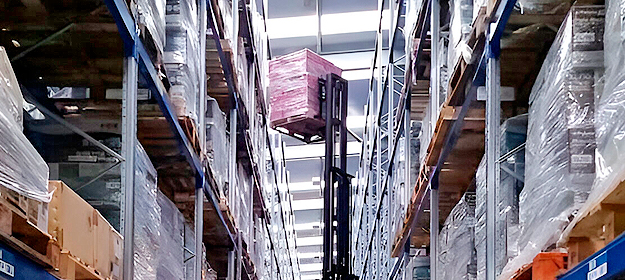
Reconfiguring Pallet Racking for New Clients & Requirements
There are a number of reasons why 3PL businesses may need to reconfigure an existing pallet racking system. For example, an existing system might have been set up in order to service a specific client and include bespoke features. If the contract with this client has ended, the racking will likely need to be reconfigured either to a more standard layout to suit a wider client base, or to meet different specific needs of a new client.

Identifying New Requirements
The first step in reconfiguring pallet racking within a 3PL warehouse is to evaluate the storage requirements of clients. This may be new clients, or existing clients if the aim of the project is to update a facility for greater efficiency or capacity. This involves understanding the inventory, throughput, and specific storage needs of clients that will be serviced by the warehouse.
Based on the assessment, racking configurations are customised to meet client demands. This might include adjusting shelf heights, adding additional levels, or incorporating specialised storage solutions.
The Reconfiguration Process
Initial Assessment and Planning
A thorough initial assessment and careful planning are crucial for a successful reconfiguration:
-
Needs Analysis: Understanding the specific requirements of the business, such as the types of goods to be stored, their turnover rates, and any special handling needs.
-
Space Evaluation: Assessing the available space in the warehouse to determine the optimal layout. This includes measuring the dimensions, checking the floor load capacity, and identifying any obstructions or constraints.
-
Design Planning: Creating a detailed plan for the new racking configuration. This involves selecting the appropriate racking type, determining the best layout for maximum space utilisation, and planning for any necessary modifications.
-
Safety and Compliance: Ensuring that the new configuration will meet all safety standards and regulations. This includes considering factors such as load limits, accessibility, and emergency exits.
Dismantling and Modifying Existing Racking
Careful dismantling and modification of existing racking are essential to prepare for the new configuration:
-
Organised Dismantling: Systematically dismantling the existing racking while keeping components organised and labelled. This helps streamline the reassembly process and reduces the risk of losing parts.
-
Inspection and Repair: Inspecting all racking components for damage or wear. Any damaged parts should be repaired or replaced to ensure the safety and integrity of the reconfigured system.
-
Modifications: Making any necessary modifications to the racking components. This could involve cutting beams to different lengths, adding additional supports, or adjusting the height of uprights to accommodate new shelving levels.
Reassembly & Testing
Reassembling the racking system according to the new plan and thoroughly testing it are crucial steps:
-
Accurate Assembly: Following the detailed plan to reassemble the racking system. Ensuring that all components are correctly installed and securely fastened is essential for the stability and safety of the system.
-
Load Testing: Conducting load tests to verify that the racking can safely support the intended loads. This involves gradually applying weight to the racking and monitoring for any signs of stress or instability.
-
Safety Inspections: Performing comprehensive safety inspections to ensure that the reconfigured racking meets all regulatory standards and safety requirements. This includes checking for proper anchoring, load distribution, and accessibility.
Best Practices for Reconfiguration
From changing client needs to meeting higher capacity and efficiency targets or consolidating estates, reconfiguration of pallet racking systems is necessary for a range of reasons within the 3PL sector. Throughout the process, it’s important to follow established best practices to ensure compliance and minimise disruption to the business.
Ensuring Safety & Compliance with Industry Standards
Maintaining high safety standards and compliance throughout the reconfiguration process is critical:
-
Regulatory Compliance: Ensuring that the reconfigured racking system complies with all relevant regulations and industry standards. This includes load limits, structural integrity, and fire safety requirements.
-
Employee Training: Training employees on the proper use and maintenance of the reconfigured racking system. This helps prevent accidents and ensures that the system is used correctly.
-
Regular Inspections: Establishing a schedule for regular inspections and maintenance to ensure that the racking system remains safe and functional over time.
Minimising Disruption to Ongoing Operations
Reducing the impact of reconfiguration on daily operations is essential to maintain productivity:
-
Phased Implementation: Implementing the reconfiguration in phases to allow parts of the warehouse to remain operational. This helps minimise downtime and ensures a continuous workflow.
-
Off-Peak Scheduling: Scheduling reconfiguration activities during off-peak hours or periods of low activity. This reduces the impact on daily operations and allows for a smoother transition.
-
Temporary Solutions: Using temporary storage solutions or alternate racking systems to handle inventory during the reconfiguration process. This ensures that business operations can continue with minimal disruption.

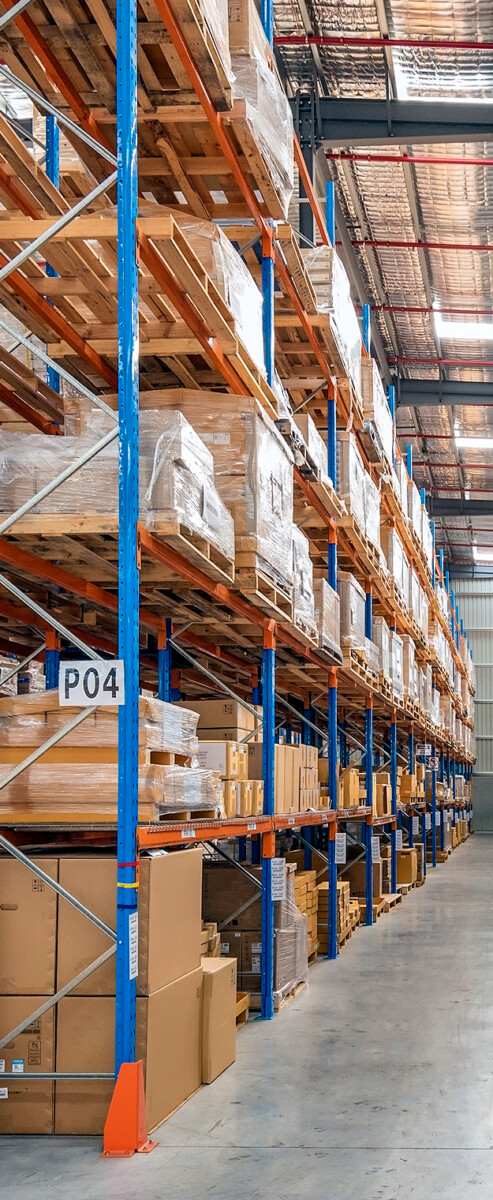
Relocating Pallet Racking from Closing Sites
Many large logistics companies are constantly evaluating their estate, and it is often the case that some facilities may no longer be required as part of the provider’s strategy. For example, a 3PL may have six warehouses and decide to close one and relocate its racking to another site. Older properties might be inefficient in terms of energy use, poorly located compared to other facilities, or too expensive to remain viable depending on whether the property is owned or leased.
Lost contracts can also prompt relocations, or new clients coming on board that can be better serviced by improving the capacity of a warehouse in a certain location while another is no longer required.
Whether consolidating operations or moving to a new site, there is often a need to relocate assets including existing pallet racking systems. This process requires careful planning to align with business objectives and minimise downtime.
The Relocation Process
Relocating pallet racking from one site to another is a complex operation that requires careful planning and execution to ensure minimal disruption and maximum efficiency. Here is breakdown of the key steps involved in the relocation process:
Inventory & Condition Assessment
Before the relocation begins, a thorough inventory and condition assessment of the existing racking system is conducted. This step involves:
-
Cataloguing all components: Every beam, upright, and accessory is documented.
-
Assessing the condition: Identifying any damaged or worn parts that may need repair or replacement.
-
Planning for reconfiguration: Determining if any modifications will be necessary to fit the new location's layout and requirements.
Site Assessment & Planning
A comprehensive assessment of the new site is essential to ensure a seamless transition. This includes:
-
Space analysis: Evaluating the dimensions and layout of the new warehouse to design an optimal racking configuration.
-
Load-bearing capacity: Ensuring the floor can support the weight of the racking and stored goods.
-
Accessibility: Planning for aisle widths and forklift access to maintain operational efficiency.
Coordination with Stakeholders
Effective communication and coordination with all stakeholders are critical. This involves:
-
Engaging with clients: Understanding their storage needs and timelines.
-
Collaborating with logistics teams: Planning the transportation of racking components.
-
Consulting with safety officers: Ensuring all plans meet safety and compliance standards.
Dismantling the Existing Racking
The dismantling process must be executed with precision to avoid damage and ensure safety. Key steps include:
-
Sequencing: Organising the order in which components are dismantled to streamline reassembly.
-
Labelling: Clearly labelling each part to facilitate accurate reassembly.
-
Handling: Using proper tools and equipment to safely dismantle the racking without causing damage.
Transportation
Transporting racking components to the new site involves careful logistics planning:
-
Packaging: Securing components to prevent damage during transit.
-
Loading: Using appropriate vehicles and loading techniques to ensure safe transportation.
-
Scheduling: Coordinating transport schedules to align with the dismantling and reassembly timelines.
Reassembly at the New Site
Reassembling the racking at the new location requires meticulous attention to detail:
-
Following the plan: Adhering to the predetermined layout and configuration.
-
Ensuring stability: Properly anchoring uprights and ensuring all connections are secure.
-
Testing: Conducting load tests and stability checks to verify the racking system's integrity.
Inspecting, Safety & Compliance
Safety and compliance checks are vital to ensure the racking system meets all regulations:
-
Regulatory standards: Ensuring the racking complies with local safety codes and industry standards.
-
Safety inspections: Performing thorough inspections to identify any potential hazards or weaknesses.
-
Certification: Obtaining necessary certifications or approvals from relevant authorities.


Minimising Downtime & Disruption During the Relocation Process
Minimising downtime and disruption during the relocation process is critical for 3PL operators to maintain the efficiency and service levels that clients expect. There are a number of best practices that can be used to achieve this as part of your relocation strategy:
When moving a racking system to a new facility, effective planning is the foundation of a smooth relocation process.
Strategic Planning
-
Detailed Project Timeline: Developing a comprehensive timeline that outlines each phase of the relocation process ensures that all tasks are coordinated and completed on schedule.
-
Resource Allocation: Assigning sufficient resources, including personnel and equipment, to handle the relocation efficiently. This includes ensuring that trained staff are available to address any issues that arise.
-
Contingency Plans: Preparing contingency plans for potential disruptions, such as delays in transportation or unexpected equipment failures. This ensures that any issues can be quickly addressed without causing significant delays.
Phased Relocation
Implementing a phased relocation approach can significantly reduce downtime and help to maintain an acceptable level of operations.
-
Partial Moves: Relocating sections of the racking system in phases, rather than all at once, allows the existing warehouse to remain partially operational throughout the process, as the new facility comes on-stream.
-
Prioritising Critical Areas: Focusing on relocating the most critical areas of the warehouse first, such as high-turnover storage zones, to ensure that essential operations continue with minimal disruption.
Temporary Storage Solutions
Utilising temporary storage solutions can help maintain inventory management and order fulfilment during the relocation. These can include:
-
Interim Warehousing: Arranging for temporary warehousing facilities to store goods during the transition period. This ensures that inventory remains accessible and can be managed effectively.
-
Mobile Storage Units: Using mobile storage units or trailers to temporarily house goods. These units can be moved as needed, providing flexibility and reducing the impact on ongoing operations.
Effective Communication
Clear and consistent communication with all stakeholders is essential for a smooth relocation in order to monitor progress and ensure issues can be handled efficiently.
-
Internal Communication: Keeping employees informed about the relocation timeline, their roles and responsibilities, and any changes to daily operations. This helps ensure that everyone is prepared and can contribute to a seamless transition.
-
Client Communication: Proactively communicating with clients about the relocation plans and any potential impact on service levels helps to manage expectations and maintain trust.
-
Vendor Coordination: Coordinating with vendors, such as transportation providers and your equipment suppliers or installation partners ensures alignment with the relocation schedule and allows any special requirements to be accommodated.
Maintaining Operational Continuity
Implementing strategies to maintain operational continuity during the relocation is vital in order to maintain service levels and client satisfaction.
-
Overlapping Operations: Running operations at both the old and new sites for a period of time can help ensure a seamless transition and allows for the gradual transfer of inventory and activities without a complete shutdown.
-
Redundant or Cloud Based Systems: Setting up redundant systems, such as duplicate inventory management systems or temporary workstations, or using cloud based systems accessible from both locations, can help maintain operational functionality during the move.
Staff Training & Involvement
Engaging and training staff can significantly reduce disruption. It’s vital to ensure that all personnel are aware of and prepared for their role in the process.
-
Relocation Training: Providing training for staff on the relocation process, including how to handle equipment safely and efficiently, ensures that everyone is prepared and knowledgeable.
-
Involvement in Planning: Involving key staff members in the planning process can provide valuable insights and help ensure that the relocation plan is practical and effective.
Post-Relocation Support
Providing access to suitable support after the relocation can help quickly resolve any issues and stabilise operations.
-
Troubleshooting Team: Establishing a dedicated team to address any issues that arise during the initial post-relocation period ensures that problems are resolved quickly and do not disrupt operations.
-
Feedback Mechanism: Implementing a feedback mechanism for staff and clients to report any issues or concerns can help identify areas for improvement and ensure that they are addressed promptly.


Optimising Racking Configurations for Enhanced Efficiency
Whether reconfiguring pallet racking within a warehouse, or moving it to another location, optimising the racking system is crucial for enhancing warehouse efficiency and making the best use of available space.
Maximising Space Utilisation
High-Density Storage Solutions
High-density storage solutions are designed to maximise vertical and horizontal space within a warehouse. These systems can significantly increase storage capacity without expanding the warehouse footprint.
-
Narrow Aisle Racking: This system reduces the width of aisles, allowing for more racking rows in the same space. Narrow aisle racking requires specialised forklifts, but offers a substantial increase in storage density.
-
Double Deep Racking: This type of racking allows pallets to be stored two-deep, effectively doubling the storage capacity for a given area. A double deep system is ideal for warehouses with a large volume of the same SKU and can enhance storage density significantly.
-
Push Back Racking: These systems allow multiple pallets to be stored on a slight incline within the same lane. Each pallet sits on a series of nested carts that are pushed back as new pallets are loaded. Push-back racking increases storage density and provides easy access to inventory.
Modular & Flexible Solutions
Modular and flexible racking solutions provide the adaptability needed to meet changing storage requirements. These systems can be easily reconfigured or expanded to accommodate new inventory or operational changes.
-
Adjustable Pallet Racking: Pallet racking is inherently a versatile system that can be easily modified to fit different pallet sizes and storage needs. The height of the beams can be adjusted, and additional levels can be added as required.
-
Cantilever Racking: A racking system ideal for storing long or bulky items such as pipes, lumber, or furniture. The modular design of cantilever racking allows for easy reconfiguration to accommodate varying load sizes and types.
-
Mezzanine Floors: Installing mezzanine floors can effectively double the usable space within a warehouse by creating an additional level for storage or operations. These floors can be integrated with existing racking systems for seamless functionality.
Case Studies

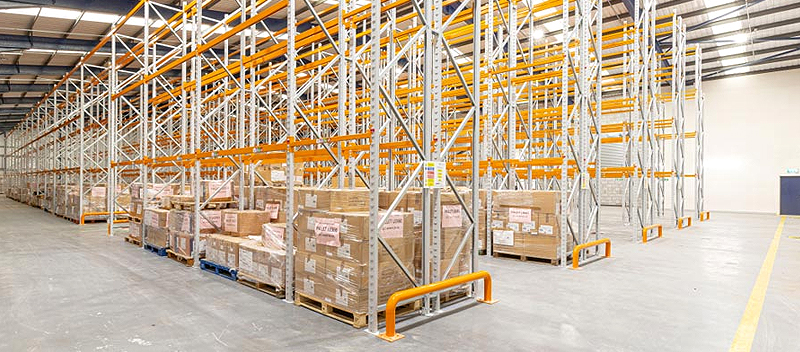
Your Partner For 3PL Racking & Warehouse Projects
Reconfiguring or relocating pallet racking is often essential for 3PL operators aiming to optimise or consolidate their warehouse space. As the demands of the logistics industry continue to evolve, the ability to adapt and maximise existing assets becomes increasingly important.
With extensive experience in providing efficient and effective warehouse solutions to the 3PL sector, Avanta offers a comprehensive service for projects of all sizes. From initial survey through to design, project management, compliance and installation, we ensure that every aspect is handled with expertise and precision.
By choosing Avanta, you can be confident that your reconfiguration or relocation project will be executed seamlessly, minimising disruption and maximising ROI. Our team of experts is dedicated to delivering solutions tailored to your specific needs, ensuring your warehouse operations are optimised for success.For more information or to discuss your specific requirements, contact Avanta today. Let us help you transform your new or existing warehouse into a more efficient, flexible, and productive space.