
Mezzanine Flooring FAQs
Mezzanine floors offer a unique way to maximise space, enhance functionality, and improve operational efficiency in various settings - from warehouses and retail environments to offices and production areas.
Whether you're considering the installation of a mezzanine floor in your commercial space or simply seeking to understand more about this versatile solution, here you can find answers to a range of questions people often have about mezzanine floors.
Find answers to questions about:
Understanding Mezzanine Floors
Q: What are mezzanine floors?
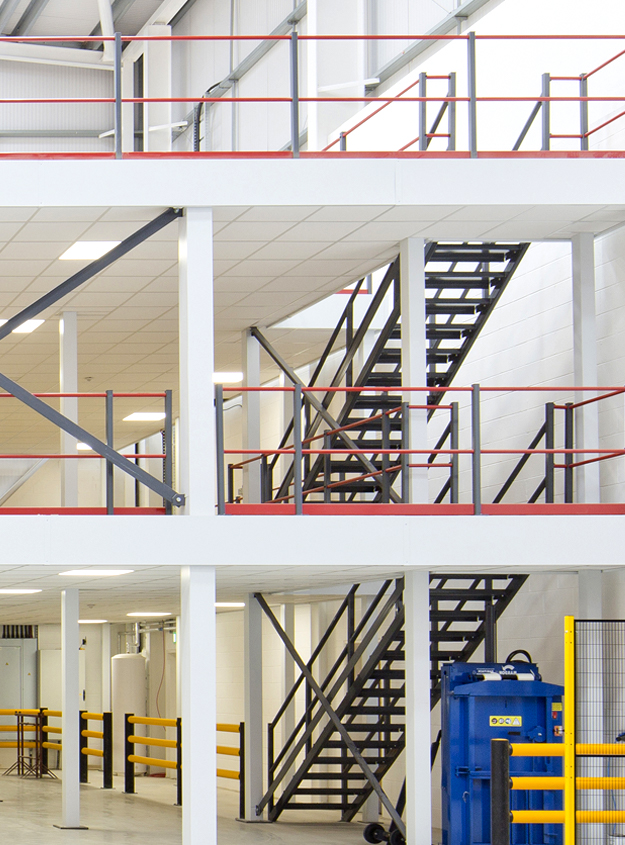
Mezzanine floors are intermediate levels within a building, typically open to the floor below. They are not usually counted as one of the building's overall floors, and are often used to create extra space above and below.
Q: Are there different types of mezzanine floors?
Yes, there are several types, including freestanding, rack-supported, and shelf-supported mezzanines, each serving different purposes and space requirements. Mezzanines can be designed for a range of purposes, including for storage, office space or production floors.
Q: How do mezzanine floors differ from traditional floor extensions?
Mezzanine floors are typically less permanent than traditional extensions, offering flexibility to be dismantled and moved. They don't usually require extensive construction work or planning permissions like standard extensions.
Q: Can mezzanine floors be multi-tiered?
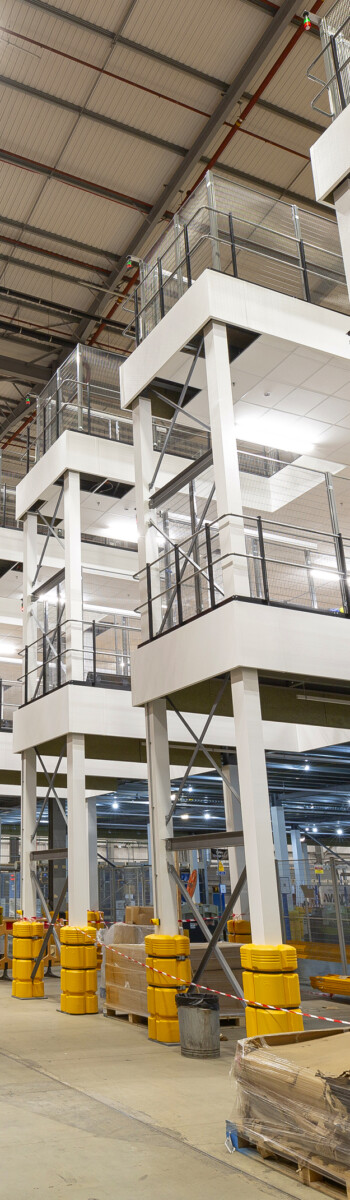
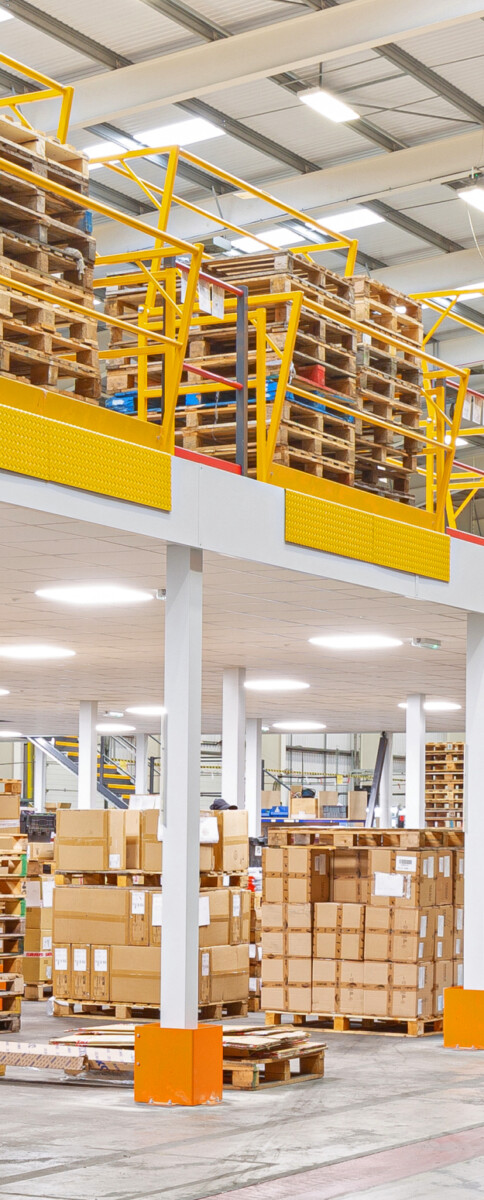
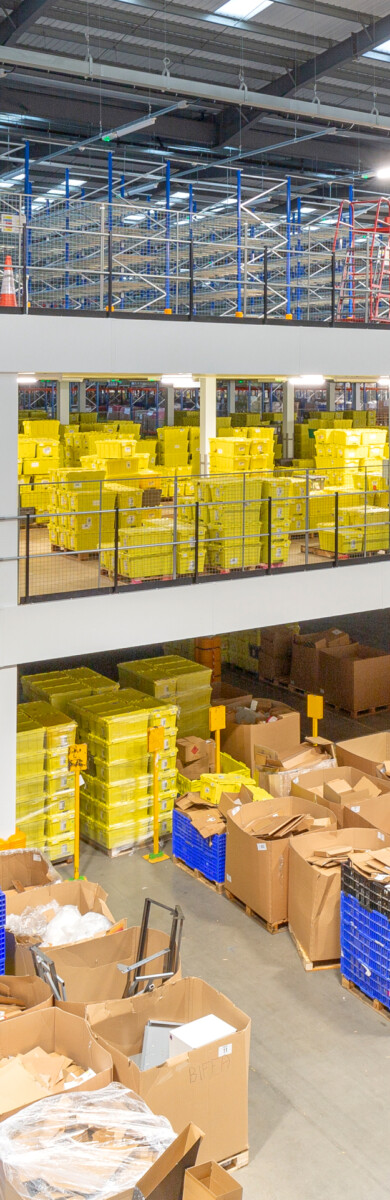
Yes, mezzanine floors can be multi-tiered to maximise vertical space, and this is a common configuration when warehouse mezzanines are used to expand storage areas. Key considerations for multi-tiered designs include load capacity, safety, access, and compliance with building regulations.
Q: What types of buildings are compatible with mezzanine floors?
Mezzanine floors are versatile and can be adapted to various architectural styles, making them suitable for everything from modern industrial units to traditional buildings. The design can be customised to complement the existing structure and can be seamlessly integrated or used as a feature in public facing spaces such as retail or hospitality environments.
Using Mezzanine Floors
Q: What are the common uses of mezzanine floors in commercial spaces?
Mezzanines are widely used for extra storage within warehouses, office spaces, production areas, and extending retail environments. Their adaptability makes them ideal for various commercial needs.
Q: How flexible is the space on a mezzanine floor for different business needs?
Mezzanine floors offer high flexibility. They are a great way to create new areas in a warehouse, and can be designed for specific needs such as additional office space, storage areas, or as a space to introduce additional facilities within a building. They can also be reconfigured or extended as needs change, making them flexible for growing businesses.
Q: Can mezzanine floors be used for storage?
Yes, mezzanine floors are ideal for creating additional storage space, especially in warehouses and retail environments. Storage mezzanines efficiently utilise vertical space, allowing for organised and accessible storage solutions.
Q: Can mezzanine floors be used for office space?
Absolutely. Mezzanine floors can be effectively used to add office space to a warehouse, providing an elevated and separate area within a larger building such as a warehouse. They are customisable to include necessary office features like soundproofing, lighting, and climate control.
Q: Can mezzanine floors be used in production environments?
Yes, mezzanine floors can be highly beneficial in production environments. They provide extra space for manufacturing activities, assembly lines, or machinery, helping to streamline production processes and improve operational efficiency. When installing a mezzanine for production, it's important to consider factors like load capacity, machinery vibration, and workflow integration.
Q: Are mezzanine floors compatible with racking systems?
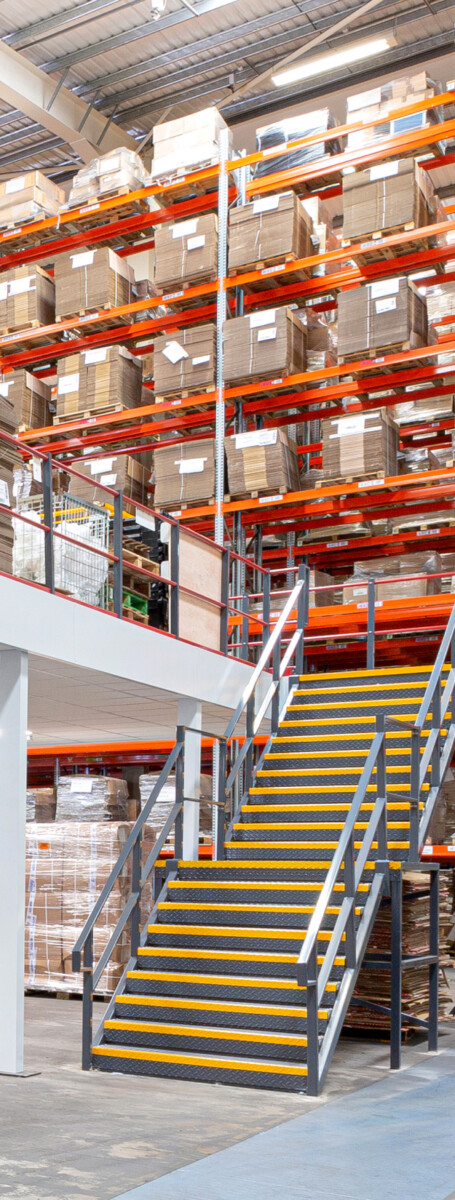
Yes, mezzanine floors can be designed to integrate with almost all types of pallet racking systems. This combination allows for efficient use of vertical space, providing additional storage above and below the floor. It's important to ensure that the mezzanine structure supports the weight and configuration of the racking system, and that access for loading and retrieving goods is included in the design.
Q: How does a mezzanine floor enhance workflow in warehouses or manufacturing units?
Mezzanine floors can improve workflow by increasing space efficiency, allowing for better organisation of equipment and materials, and reducing movement time and effort.
Q: What considerations should be made for staff accessibility and comfort on a mezzanine floor?
Considerations should include safe and easy access, emergency escape, safety while working on the floor, adequate lighting, ventilation, and noise control to ensure a comfortable and productive working environment.
Q: Are there best practices for organising space on a mezzanine floor?
Best practices include planning for efficient space utilisation, ensuring clear pathways for movement, strategically placing frequently used items, and considering potential requirements for future flexibility and adaptability.
Q: What are innovative ways businesses have utilised mezzanine floors?
Businesses have found innovative uses for mezzanine floors across various sectors. For example, warehouse and logistics operators often use mezzanines to enhance storage capabilities, integrating them with automated retrieval systems for efficient space utilisation and inventory management. In retail, they serve as visually appealing product display areas, while in office settings, they can add unique recreational or additional workspace. Take a look at our mezzanine floor case studies to explore further.
Q: How can mezzanine floors benefit e-commerce operators?
Mezzanine floors are part of a number of solutions for e-commerce warehouses that help to maximise space, allowing for more efficient inventory management and order fulfilment processes. They offer a range of uses including additional areas for sorting, packing, and storing products, which is crucial for handling large inventories and rapid turnover typical in e-commerce.
Q: How can mezzanine floors enhance customer experience in retail settings?
In retail, mezzanine floors can create an appealing visual display area, offer additional shopping space, or serve as a dedicated zone for special merchandise. Retail mezzanine floors can also be used to extend storerooms for additional stock capacity, or to house customer lounges or experiential elements, enhancing the overall shopping experience.
Mezzanine Floor Installation
Q: How are mezzanine floors constructed?
Construction of a mezzanine floor usually involves erecting a steel frame, laying a decking surface, and adding necessary features like stairs and handrails. The process is relatively quick and causes minimal disruption.
Q: What type of floor decking is used for mezzanines?
Common decking materials include wood, concrete, and steel grating. The choice depends on the intended use, load capacity, and specific requirements like durability or fire resistance.
Q: How long does it take to install a mezzanine floor?
Installation time varies based on size and complexity but typically ranges from a few days to several weeks. Planning and design stages can also impact the overall timeline.
Q: How can mezzanine floors be customised for specific business needs?
Customisation options include varying the size, shape, type of decking, railings, staircases, and additional features like lifts or conveyors. Office areas can be added using partitions, while storage can be added using suitable shelving or racking. They can be tailored to a wide range of specific operational requirements.
Q: Can mezzanine floors be relocated or modified after installation?
Yes, one of the advantages of mezzanine floors is their modularity. They can be dismantled and relocated or modified to suit changing business needs.
Q: What materials are commonly used in the construction of mezzanine floors?
Steel is the most common material due to its strength and durability. Other materials like aluminium and fibreglass are used for specific applications.
Q: Can mezzanine floors be integrated into existing structures?
Absolutely. Mezzanine floors are designed to be integrated into existing buildings, maximising the unused vertical space without the need for external expansion.
Q: How does the weight of a mezzanine floor affect the existing structure?
The weight of a mezzanine floor can have a significant impact on the existing building structure. It's essential to assess the building's foundation and load-bearing capacity to ensure it can safely support the additional weight. Structural engineers typically conduct this assessment to prevent any risk of overloading and ensure structural integrity.
Q: Are there industry-specific customisations available for mezzanine floors?
Yes, mezzanine floors can be customised to meet the specific needs of various industries. For example, in retail, they can be designed for customer interaction and product display. In industrial settings, they can be reinforced for heavy machinery. For office use, they can include features like sound insulation and HVAC systems. Working with an experienced installation partner will allow specific requirements to be identified, and the floor to be tailored to suit.
Q: Can I buy a used mezzanine floor?
Yes, it is possible to purchase a used mezzanine. This can appear to be a cost-effective option, however there are some important considerations regarding used mezzanine floors. As the history of the floor and its components may be unknown, there's a risk that the floor could have been involved in an accident or may have experienced wear that isn't immediately visible. It's crucial to have a thorough inspection and ensure that the used mezzanine meets all necessary safety standards and specifications for your intended use, as well as accounting for other additional costs such as installation teams and structural engineers.
Regulatory Compliance & Safety
Q: What are the UK building regulations for mezzanine floors?
In the UK, mezzanine floors must comply with building regulations regarding structural integrity, fire safety, and access. This includes considerations for load-bearing capacity and emergency exits.
Q: Do I need planning permission for a mezzanine floor in the UK?
Planning permission is not typically required unless the floor significantly changes the building's use or impacts external appearance. However, it's always best to check with local authorities.
Q: Are there safety requirements for mezzanine floors in the UK?
Yes, safety requirements include adequate guardrails, safe access points like staircases, fire safety measures, and adherence to load-bearing capacities.
Q: Does the mezzanine floor need to be fire rated?
Fire rating is required if the mezzanine is a certain size or used for specific purposes, such as office space or public access. It involves using fire-resistant materials and incorporating mezzanine fire protection measures.
Q: How does the installation of a mezzanine floor impact fire safety and evacuation plans?
The installation of a mezzanine floor may require revising fire safety and evacuation plans. Depending on the intended use of the floor, such as office space, this can include ensuring clear fire escape routes, installing adequate fire detection and suppression systems, and potentially adding fire-rated materials. Compliance with fire safety regulations is crucial to ensure the safety of occupants.
Q: Will a new mezzanine flooring require disabled access?
Mezzanines used for storage purposes don’t usually require disabled access. However if the mezzanine is used to create office or retail space it may be necessary to comply with accessibility regulations, which include providing disabled access where applicable. This can involve installing lifts or ramps, and ensuring that the mezzanine is accessible in line with the Equality Act 2010 requirements.
Q: How should emergency exits be incorporated into mezzanine floor design?
Emergency exits on mezzanine floors must be carefully planned to ensure quick and safe evacuation. This includes having multiple accessible escape routes, clear signage, and ensuring that exits lead to a safe area. The design should comply with all relevant building and safety regulations.
Q: What are the considerations for ventilation and temperature control on a mezzanine floor?
Ventilation and temperature control are important for comfort and air quality. Considerations include ensuring adequate air circulation, possibly installing additional HVAC systems or fans, and considering the impact of the mezzanine on existing heating and cooling systems.
Q: What are the noise control considerations for mezzanine floors in busy environments?
In busy environments, controlling noise on mezzanine floors involves using sound-absorbing materials, installing partitions or barriers, and considering the layout to minimise noise disruption. This is especially important in settings like open-plan offices or retail spaces where noise can impact comfort and productivity, as well as production environments where operators may require protection from loud equipment.
Practical Considerations Of Mezzanines
Q: What are the load-bearing capacities of mezzanine floors?
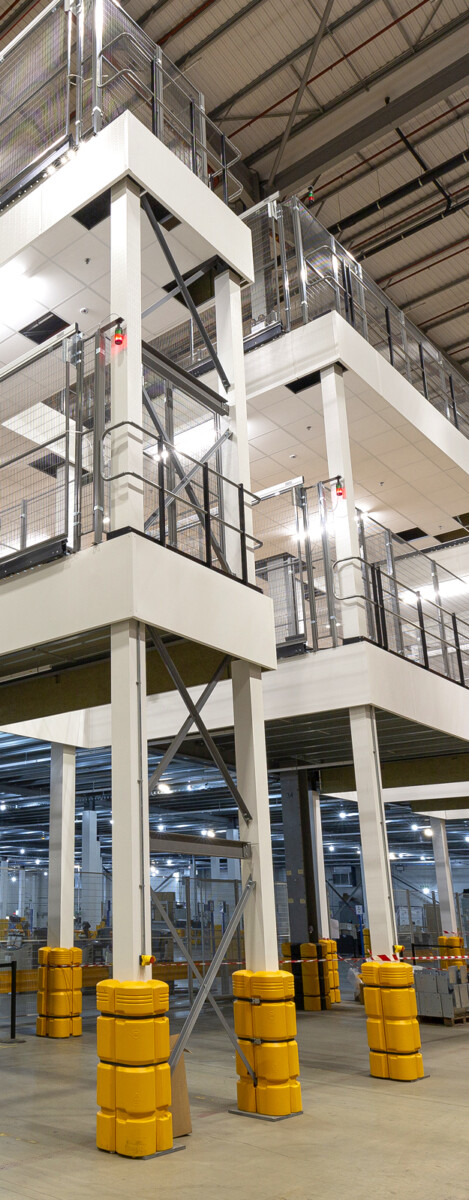
Load capacities vary based on design and materials but can typically range from 350 kg/m² to over 1000 kg/m². The capacity should align with the intended use, whether for light storage or heavy machinery. It’s important to identify load bearing requirements at the initial design stage so that an adequate mezzanine structure can be installed.
Q: What maintenance is required for mezzanine floors?
Regular inspections for structural integrity, checking connections, and ensuring safety features like guardrails are in good condition are essential maintenance practices.
Q: Are there any size restrictions with mezzanine flooring?
There are not usually any size restrictions when installing a mezzanine, other than the available space within the building and where the floor will be sited. Custom designs can maximise the use of available space within these constraints.
Q: What additional costs are involved when installing mezzanine flooring?
Additional costs can include making updates to the existing structure to accommodate the mezzanine, as well as fire protection measures or additional safety features such as smoke alarms and emergency lighting, and any other options like staircases or lifts.
Q: How does lighting affect the design and use of a mezzanine floor?
Adequate lighting is crucial for safety and usability. The design should consider natural and artificial lighting sources to ensure the space is well-lit and functional.
Q: Can mezzanine floors accommodate heavy machinery or equipment?
Yes, mezzanine floors can be designed to support heavy machinery, but it's important to consider the specific load-bearing requirements and structural reinforcements needed.
Q: What are the best practices for ensuring privacy on mezzanine floors used as office spaces?
Incorporating office partitions, acoustic panels, and strategic layout planning are effective ways to enhance privacy and reduce noise in mezzanine office spaces.
Q: How do you ensure consistent flooring quality across the mezzanine?
Quality control during installation, correct design of the floor, using uniform materials, and regular maintenance checks are key to maintaining consistent flooring quality.
Q: How does a mezzanine floor affect a building's heating and cooling dynamics?
Installing a mezzanine floor can impact a building's heating and cooling dynamics by altering the volume of space that needs to be climate-controlled. This can sometimes lead to more efficient heating and cooling, as the mezzanine can create a more compact and defined area. However, it's important to reassess and potentially upgrade the warehouse’s HVAC system to ensure uniform temperature distribution and comfort throughout the space.
Q: What are the options for acoustic insulation on mezzanine floors?
For acoustic insulation on mezzanine floors, options include using sound-absorbing materials like foam or fibreglass panels, installing suspended ceilings beneath the mezzanine, and using carpets or specialised flooring to reduce noise transmission. Additionally, incorporating barriers or steel partitions that include sound-dampening layers can help in controlling noise levels, especially in office or retail environments.
Financial, Legal & Environmental Aspects Of Mezzanine Floors
Q: Will my business rates be affected if I install mezzanine flooring?
Installing a mezzanine floor may affect business rates as it increases the usable floor space. It's advisable to consult with a valuer or local council for specific impacts. For example, installing a mezzanine within a warehouse to increase storage capacity might not affect rates, whereas expanding the floor space for other purposes may do so.
Q: How much does a mezzanine floor cost?
The cost of a mezzanine floor varies based on size, materials, design complexity, and additional features. It's best to get a tailored quote based on specific requirements.
Q: Do I need landlord permission to install a mezzanine floor?
Yes, if you're leasing the property, landlord permission is typically required. It's also important to ensure the installation complies with the lease terms.
Q: How does installing a mezzanine floor affect insurance premiums?
Installation may affect insurance premiums due to increased property value and changes in usage. It's important to inform your insurer and adjust coverage accordingly.
Q: Are there tax implications or benefits associated with installing a mezzanine floor?
Tax implications can vary. In some cases, mezzanine floors can be classified as plant and machinery for tax purposes, potentially offering capital allowances benefits.
Q: What legal considerations should be taken into account when leasing a space with a mezzanine floor?
Legal considerations include ensuring the lease permits alterations, understanding maintenance responsibilities, and compliance with building and safety regulations.
Q: Is there a difference in leasehold improvements for temporary vs permanent mezzanine floors?
Yes, temporary installations might be treated differently in lease agreements compared to permanent structural changes, affecting responsibilities and permissions.
Q: How should contracts be structured with mezzanine floor suppliers or installers?
Contracts should clearly outline the scope of work, materials, timeline, costs, and responsibilities. Ensure compliance, warranty, and dispute resolution terms are included.
Q: Are there grants or financial incentives available for installing energy-efficient floors?
Some regions may offer incentives for sustainable installations. Research local grants and programs for potential benefits.
Q: What are the environmental considerations in installing a mezzanine floor?
Environmental considerations include using sustainable materials, minimising waste during construction, and considering energy efficiency in the design.
Q: Can mezzanine floors make a business more energy efficient?
Yes, mezzanine floors reduce the need to expand buildings or build new facilities. They make existing facilities as space efficient as possible, reducing the need to operate multiple sites or larger facilities. They can be used to increase efficiency in storage and production, which in turn can reduce transport needs and other associated requirements. Mezzanines can be included within responsible warehouse design and can reduce the need for additional heating or cooling in expanded areas, leading to lower energy consumption. The design can also incorporate features like natural light optimisation, which reduces reliance on artificial lighting.
Q: What is the expected lifespan of a mezzanine floor?
The lifespan can vary based on materials and usage, but well-maintained floors can last multiple decades.
Q: Does a mezzanine floor impact the value of a property?
A quality mezzanine floor can enhance the resale value of a commercial building by increasing usable space.
For Further Information & Advice
Our aim is to help you understand the potential of mezzanine floors to transform your commercial space, whether for storage, office use, production, retail or something else.
With decades of experience in designing and installing mezzanine floors throughout the UK, Avanta is a trusted leader in providing tailored solutions that meet specific business needs. We pride ourselves on offering a full turnkey solution, handling every aspect of each project from initial design to final installation, ensuring a seamless and efficient process.
If you have any further questions or need expert advice on mezzanine flooring, please don't hesitate to contact us. Our experienced team is ready to assist you with guidance and support, helping you to make the best decision for your business. Reach out to us for any additional information or to discuss how we can assist you in bringing your mezzanine floor project to life.