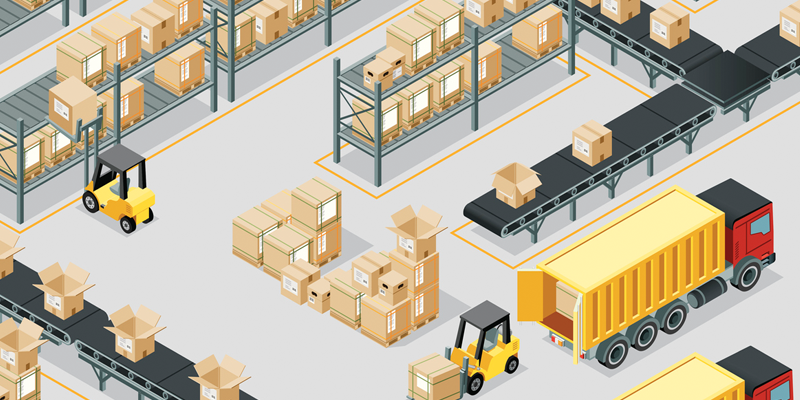
A warehouse is the hub of a company's storage and distribution processes, so managing this important space is crucial for any business. Here are some key ways to create an efficient, organised and productive warehouse environment (for none social distancing times).

Staff Training
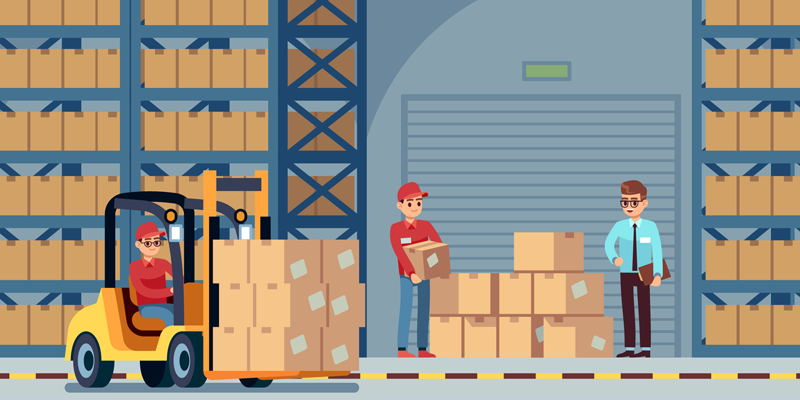
Whatever the role of any warehouse worker, the goal to establishing an effective environment is for everyone to know exactly what they have to do, in as safe and efficient a way as possible. Staff training is a vital part of this process, and it's up to managers to ensure workers are fully informed on how to do things correctly. If work practices change or new technology is introduced, the manager must deliver the necessary training to warehouse staff to inform and update them.
A Comfortable Warehouse Environment
Many warehouse tasks can be repetitive and strenuous, which can lead to aches and pains. Managers should ensure that workers take regular breaks to reduce repetitive strain injuries. Rotating tasks can also prevent injuries and can relieve the boredom from having to repeat the same activity over and again.
Frequent workplace assessments ensure that staff are operating in a comfortable and safe environment. Ergonomic equipment can help to limit strains and even rubber matting can take the burden off those on their feet all day long. Adequate lighting, heating and ventilation also enable tasks to be carried out in optimum conditions.
In order to break the monotony and create a more pleasant working environment, some warehouses even allow music to be played.
Taking A Break Is Important For Warehouse Staff


Warehouse workers should be able to get away from their workstation for a break, so provide adequate facilities, including a kitchen or dining area that staff can retreat to, to fully replenish themselves. Worryingly, statistics reveal that over half of workers fail to take their full lunch break, with two-thirds of staff eating their lunch at their workstation. Yet, without taking a proper break, warehouse workers could jeopardise their safety, motivation and performance.
In particular, avoid making staff work extra hours to meet any surges in demand. Plan ahead for any busy periods, such as before Christmas, and increase your workforce accordingly.
It’s important to provide adequate facilities for warehouse staff such as break rooms, offices, canteen and toilets/washrooms. If floor space is limited within a premises, a warehouse mezzanine level can be used to provide additional areas required.
Warehouse Safety Issues


Safety is a key concern in any warehouse environment, especially those places that use a lot of machinery and equipment. In particular, accidents involving forklift trucks are especially common, accounting for 1,300 injuries every year in the UK.
Managers need to continually assess the safety procedures in a warehouse environment, identifying any risks and seeking solutions to reduce them. Workers should be given relevant personal protective equipment (PPE) to be worn and updated on any changes to safety and policy issues.
Crucially, warehouses should be safe to move around, so create traffic flow routes to avoid any collisions. Stick tape to the floor to direct traffic and place relevant signage around the building.
It’s important to ensure adequate safety measures and equipment are used within a warehouse, such as anti-collapse mesh or netting on the back of racking to protect against falling objects. Column and end barrier protection are also ways to safeguard against collisions, particularly from forklift trucks, which can weaken racking systems and lead to further safety issues. Mesh partitions and security cages are also important for creating secure areas within a warehouse, minimising access to potentially dangerous or harmful equipment.
Internal Communication
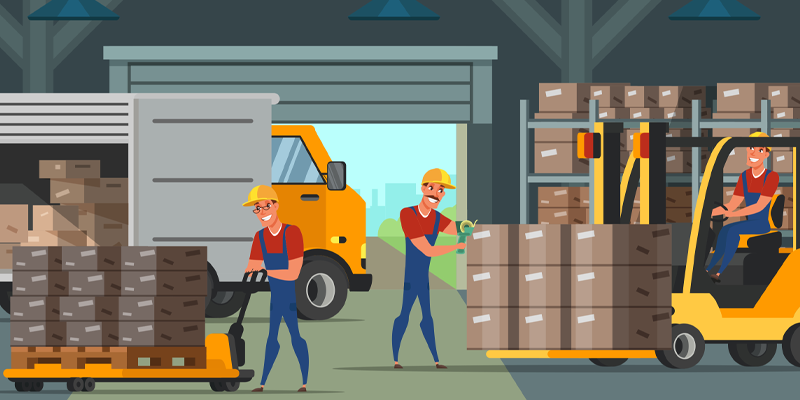
Whether you need to inform warehouse workers of a change in policy, a safety procedure or how to use an item of equipment, good communication is key at all times. But, it should be a two-way process. Create an environment in your warehouse where workers can come to you if they have any issues with their job. By finding solutions to problems and listening to concerns, you keep staff happy, motivated and productive.
Invest In Suitable Warehouse Technology
Introduce Incentives
Appropriate Warehouse Organisation