
In the world of modern warehousing and logistics, the seamless movement, storage, and management of goods stand as the linchpin of efficiency. Material handling, a discipline often overlooked, is the silent force that powers this dynamic industry.
Whether you're an industry veteran seeking refined strategies or a newcomer aiming to grasp the basics, our guide unravels the complexities of material handling and highlights its indispensable role within supply chains. Read on to discover more about how material handling works, the essential and innovative equipment involved, and uncover the benefits that a well-oiled material handling process brings to businesses.
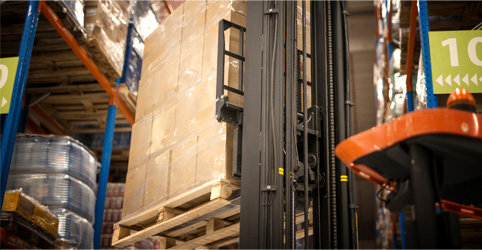
What is Material Handling?
At its core, material handling encompasses the procedures, systems, and equipment used to transport, store, control, and protect products, goods, and materials throughout the process of manufacturing, distribution, consumption, and disposal.
It integrates various elements like manual labour, automated machinery, and software systems to optimise the storage and flow of goods.
The Role of Material Handling in Supply Chains and Logistics
Material handling is the lifeblood of any modern supply chain, connecting multiple functions and ensuring that products flow seamlessly from suppliers to end-users. Every touchpoint, every transition, and every storage decision in a product's journey hinges on effective material handling practices.
Material handling plays a important role in supply chains across a wide range of sectors, including factors such as:
Operational Efficiency
At the core of material handling is the desire to do more with less: to move more products using fewer resources and in less time. An effective strategy optimises routes, reduces handling times, and minimises touchpoints, leading to swiffer, more streamlined operations.
Integration & Streamlining
Material handling acts as a bridge, linking the disparate segments of a supply chain. It ensures that raw materials sourced from suppliers are efficiently moved to production facilities, then finished products are appropriately stored in warehouses, and finally, goods are smoothly dispatched to retailers or end consumers. The integration and streamlining of these steps are vital for maintaining a consistent and reliable product flow.
Storage & Space Optimization
With space often being a premium resource in warehousing, effective material handling systems, like pallet racking or mezzanine floors, can greatly maximise storage capacity. This not only ensures that products are easily accessible but also optimises the use of available space, reducing overhead costs.
Time Efficiency
Efficient material handling speeds up the processing and movement of goods. Automated systems, for example, can dramatically reduce the time taken to pick, pack, and dispatch products, allowing businesses to respond swiftly to market demands.
Reduction of Product Damage: Proper material handling reduces the chances of product damage. Using the right equipment, like cushioned forklifts or conveyor systems with soft landings, ensures that goods are handled with care, thereby reducing returns and increasing customer satisfaction.


Cost Savings
Efficient material handling can lead to significant cost savings. By reducing product damage, optimising storage, and speeding up operations, businesses can minimise wastage, reduce inventory holding costs, and optimise labour usage.
Enhanced Visibility & Tracking
Modern material handling systems often integrate with inventory management and tracking software. This ensures that goods are not only moved efficiently but are also tracked throughout their journey, giving businesses better visibility and control over their inventory.
Sustainability & Environmental Considerations
With growing awareness of sustainability, businesses are looking for ways to reduce their environmental footprint. Efficient material handling can play a part in responsible warehouse design and operation by optimising routes within a facility to reduce energy consumption or by using equipment that's more energy-efficient.
Flexibility & Adaptability
The business environment is always evolving, with fluctuations in demand, seasonal changes, and unexpected disruptions. A well-planned material handling strategy offers the flexibility to adapt to these changes, ensuring uninterrupted operations and consistent service levels.
Scalability for Growth
As businesses expand, their operations grow in complexity. A robust material handling strategy, especially one that incorporates automation and advanced technologies, can easily scale to accommodate this growth. This ensures that as the company grows, its operations remain efficient and competitive.
The Importance of Your Material Handling Strategy
The strategic decisions made around material handling significantly influence the core aspects of any business, particularly those in the logistics and warehousing sectors.
A deliberate and efficient strategy speaks to the company's broader objectives, values, and long-term vision. Some of the main reasons why the right material handling strategy is so critical include:
Alignment with Business Goals
A comprehensive strategy ensures that all material handling operations align with the company’s overarching objectives, whether they pertain to growth, market dominance, sustainability, or customer service excellence.
Predictive Analysis and Forecasting: Employing a thorough material handling strategy allows businesses to utilise data-driven insights. By analysing trends and patterns, companies can anticipate challenges, predict future demands, and make informed decisions.
Resource Allocation
Efficient resource management is at the heart of a successful business. An optimised material handling strategy ensures that every piece of equipment, every square foot of storage space, and every employee hour is utilised to its utmost potential.
Risk Management
The logistics and warehousing sectors are rife with uncertainties. A robust material handling strategy equips businesses with the tools and processes to mitigate risks, from supply chain disruptions to market fluctuations.


Innovation & Technological Integration
A forward-thinking material handling strategy remains open to innovations. As technology evolves, companies with a clear strategy can seamlessly integrate advancements, whether in automation, AI, or IoT, to stay at the forefront of the industry.
Vendor and Partner Relationships
The suppliers and partners a business collaborates with are often influenced by its material handling ethos. A well-crafted strategy can lead to better partnerships, negotiating power, and enhanced collaboration opportunities.
Strategic Positioning in the Market
In a competitive landscape, businesses that showcase efficiency, reliability, and innovation in their material handling practices position themselves as industry leaders. This not only attracts customers but also top talent and investors.
Material handling isn't just about the immediate action of moving or storing products; it's a reflection of the company's vision, competency, and aspirations. This is why a well-articulated strategy, unique to the business's needs and goals, is paramount.
Material Handling Equipment & Systems
When it comes to handling goods and materials in the warehousing and logistics, the tools and systems used to move, store, and manage items stand as the linchpins of efficiency. Whether it's moving bulky items through a warehouse, storing goods efficiently, or managing bulk materials, the right equipment is essential.
Manual Material Handling
In various operations, especially in facilities with less volume or specialised tasks, manual handling tools remain vital. These are particularly effective for short-distance movements or specific tasks where automation isn't cost-effective.
- Hand Trucks: Essentially a L-shaped trolley, hand trucks allow workers to transport multiple boxes or items. They leverage the principle of levers, making it easier to move heavy weights with minimal effort.
- Dollies: These are flat platforms with wheels, often used to transport heavy items. They are versatile and can handle a variety of objects, from boxes to large appliances.
- Carts: Often customised to specific needs, carts can have shelves, bins, or flat surfaces to carry different types of materials.


Automated Material Handling Systems
With the rise in demand for faster, more efficient processes, many warehouses are turning to automation. Some of the more widely used systems include:
- Automated Storage and Retrieval Systems (AS/RS): These systems automatically place and retrieve loads from defined storage locations. They're efficient and can significantly improve inventory management and throughput.
- Conveyor Systems: An integral part of many warehouses, conveyors can move goods horizontally, inclined, or even vertically, depending on the design. They're especially useful in processes like sorting or assembly lines.
- Robotic Systems: With advancements in AI and machine learning, robots can now pick, pack, and even sort items. They can be programmed to handle a variety of tasks and are particularly useful in repetitive, high-volume operations.
Bulk Material Handling
Industries that handle granulated or powdered materials, liquids, or other bulk substances often require specialised equipment to handle, store and process goods.
- Silos: Used predominantly in agriculture, silos store bulk materials like grain or coal. They're designed to maintain the freshness of the stored goods and facilitate easy loading/unloading.
- Elevators: These are especially important for vertical transportation of bulk materials, for example when goods need to be stored or retrieved from mezzanine levels within a warehouse.
- Hoppers: Often funnel-shaped, hoppers store bulk materials and dispense them when required, making use of gravity to control the flow.


Storage and Retrieval Systems
Effective storage is paramount in a warehouse, ensuring goods are accessible and safe.
- Pallet Racks: These are multi-level storage systems, allowing for the efficient and dense storage of palletized goods. There are a range of pallet racking solutions available to meet different requirements depending on the type of goods being stored and the operational processes used within a facility.
- Shelving Systems: For smaller items or less dense storage, warehouse shelving systems are versatile and can be customised based on item size.
- Mezzanine Floors: These are raised platforms constructed between the floor and ceiling of a warehouse or commercial space. Mezzanine flooring effectively utilises vertical space, potentially doubling or even tripling the storage area. Mezzanines can be used for storage, as additional work areas, or to house machinery and can be valuable in a range of material handling processes by acting as intermediary areas for sorting, packaging, or even for housing conveyor systems or chutes.
Transportation Equipment
Moving goods within or between facilities necessitates the use of specialised transportation tools.
- Forklifts: These vehicles are used to lift and transport pallets or heavy goods over short distances. They come in various sizes and capacities, suitable for different tasks. It’s important to use the correct type of forklift for both the goods being moved and the racking system available, and to ensure that racking aisle widths in a warehouse are compatible with forklift equipment.
- Cranes: In warehouses with very high racks or in construction areas, cranes help in lifting and placing heavy items in the desired location.
- Specialised Transport Machinery: Depending on the nature of goods, warehouses may also employ machinery like tow trucks, order pickers, or even pallet jacks.

Inventory Management & Material Handling
Inventory management goes hand-in-hand with material handling. Knowing where items are, how they should be handled, and when they should be moved is crucial. An efficient material handling strategy takes cues from inventory data to optimise picking routes, storage locations, and replenishment schedules.
Inventory management isn't just about keeping track of items in a warehouse; it's a multifaceted process that involves forecasting, decision-making, and strategic planning. Effective inventory management ensures that the right amount of stock is available at the right place, at the right time.
Let's take a look at some of the reasons why efficient inventory management plays a such a critical role when it comes to how goods and materials are handled within a warehouse environment:

Balancing Demand & Supply
One of the primary functions of inventory management is to maintain a balance between demand and supply. By forecasting demand accurately, businesses can avoid situations of stockouts (which can result in lost sales) or overstock (which leads to increased holding costs).
Optimisation of Storage
Effective inventory management involves making the best use of available storage space, and is fundamental to selecting the most suitable type of racking or storage system.
This includes strategies like FIFO (First-In-First-Out), which ensures that perishable or time-sensitive items are used or sold before they degrade, or LIFO (Last-In-First-Out), which might be employed based on the nature of the goods or accounting practices.
Reduction in Costs
Holding inventory is expensive. Costs include the direct price of storage, potential depreciation of goods, insurance, and even obsolescence. Through streamlined inventory management, these costs can be significantly reduced by holding only what is needed and ensuring a faster inventory turnover.
Enhanced Accuracy & Visibility
Modern inventory management often integrates with technological tools like Warehouse Management Systems (WMS) or RFID tracking. These tools provide real-time visibility into inventory levels, ensuring that discrepancies are caught early and that businesses have a clear understanding of their stock at all times.
Improved Cash Flow
Tied-up cash in excessive inventory can be a financial burden. By optimising stock levels, businesses can free up capital for other ventures or investments, thus improving overall cash flow.
Facilitating Continuous Improvement
By continually analysing and adjusting inventory practices, businesses can identify inefficiencies and bottlenecks. This iterative process not only refines inventory management but can also offer insights into broader operational improvements.

Health & Safety Considerations When Handling Goods & Materials
While employers are legally required to safeguard their staff, health and safety considerations aren't just regulatory checkboxes for businesses in the warehousing and logistics sectors; they're vital aspects that influence the well-being of employees, the integrity of goods, and the reputation of any organisation.
Effective material handling and storage practices are directly tied to a safe and efficient work environment. Let's explore some of the key health and safety considerations when it comes to handling goods and materials:

Employee Training
Foremost is ensuring that employees are adequately trained to use material handling equipment. Whether it's a forklift, a conveyor belt, or an automated picking system, employees should understand its operation, limitations, and potential hazards.
Ergonomics
Manual handling of materials can lead to musculoskeletal injuries. Understanding the science of ergonomics allows businesses to design workspaces and select equipment that minimises physical strain, reducing the risk of injuries like sprains, strains, or back problems.
Equipment Maintenance
Regularly inspecting and maintaining equipment, such as carrying out regular pallet rack inspections or forklift servicing ensures they function safely and efficiently. Broken or malfunctioning equipment can pose serious risks, not only damaging goods but also causing accidents.
Clear Aisles and Walkways
Cluttered or obstructed pathways can be a trip hazard. Ensuring that aisles are clear and that there's a distinct separation between pedestrian and vehicular pathways is crucial.
Proper Signage & Labelling
Clearly marked zones, hazard warnings, and instructional signs guide employees and reduce the likelihood of mishaps. Labels on hazardous materials, weight restrictions, or handling instructions further ensure safe handling practices.
Emergency Protocols
Every facility should have a clear and rehearsed emergency protocol. This includes fire evacuation plans, locations of emergency exits, first aid procedures, and spill containment processes for hazardous materials.
PPE (Personal Protective Equipment)
Depending on the nature of the goods and the equipment used, employees might require PPE such as helmets, safety shoes, gloves, or high-visibility clothing. Ensuring that PPE is available, maintained, and correctly used is paramount.
Ventilation & Air Quality
In warehouses dealing with chemicals or fine particulates, ensuring proper ventilation is vital. This prevents the build-up of harmful substances that can lead to respiratory issues or other health concerns. Even in facilities where these materials are not handled, suitable warehouse heating and ventilation systems are needed to ensure the safety and comfort of individuals working in the space.
Noise Control
High levels of noise, common in some warehousing environments, can lead to hearing impairment over time. Measures such as noise barriers, earmuffs, or scheduling high-noise activities during specific times can mitigate these risks.
In the bustling environment of warehouses and logistics centres, health and safety considerations provide the foundational structure that keeps operations running smoothly. Beyond mere compliance, emphasising health and safety can lead to increased productivity, reduced downtime, and a workforce that feels valued and protected.

Warehouse Design & Best Practices in Material Handling
The design of a warehouse lays the groundwork upon which material handling practices are built. By aligning the warehouse's layout and configuration with best practices in material handling, businesses can achieve unparalleled efficiencies, reduced costs, and improved service levels.
It’s a symbiotic relationship where each element elevates the other, driving the warehouse’s overarching success. The right warehouse design for logistic operators not only enables seamless operations but also maximises efficiency, safety, and productivity. Material handling is intricately woven into this design, playing a pivotal role in ensuring that goods flow through the warehouse in the most optimal manner.

Importance of Warehouse Design
- Flow Optimisation: A well-designed warehouse ensures that goods move with minimal disruptions, from receiving to storage, picking, and finally shipping. This reduces handling times, minimises touchpoints, and accelerates order fulfilment.
- Space Utilisation: Efficient design maximises the use of available space. This means employing vertical storage solutions, optimising aisle widths based on equipment, and configuring spaces to reduce dead zones.
- Safety Enhancements: A logical and clear layout reduces the risks of accidents, ensuring that pedestrian pathways are separate from vehicle routes and that high-risk areas are appropriately isolated.
- Scalability: As businesses grow, their storage needs evolve. A well-thought-out warehouse design can adapt to increased inventory levels, diversified stock keeping units (SKUs), or the integration of new technologies.
Best Practices in Material Handling
- Standardised Processes: Establishing standard operating procedures (SOPs) for every material handling activity ensures consistency, reduces errors, and facilitates training.
- Implement Automation: Where possible, integrating automated systems like conveyor belts, automated storage and retrieval systems (AS/RS), or robotic pickers can enhance speed and reduce manual handling.
- Zone Picking: Organising the warehouse into specific zones and assigning pickers to these zones can streamline the picking process, especially for businesses with a vast array of SKUs.
- Cross-Docking: For goods that need rapid shipping, a cross-docking approach (transferring goods directly from incoming to outgoing transportation) can reduce storage times and speed up deliveries.
- Regular Audits: Conducting periodic reviews of material handling processes can identify bottlenecks, inefficiencies, or emerging risks. This paves the way for continuous improvement.
- Invest in Employee Training: An educated workforce is an asset. Regular training on equipment, safety protocols, and best practices ensures that employees are equipped to handle materials proficiently.
- Embrace Technology: Employing advanced tracking systems like RFID, integrating Warehouse Management Systems (WMS), or utilising data analytics can provide insights, enhance visibility, and streamline material handling processes.

Your Warehouse Development Partner For Improved Material Handling
Whether you’re setting up a new warehouse or redeveloping an existing facility, for businesses in the warehousing and logistics sectors it’s essential to work with partners who understand the importance of every part of the material handling process.
At Avanta UK we’ve been working with businesses of all sizes for over 20 years to deliver efficient, tailored warehouse solutions that are designed to meet the individual needs of our clients.
From mezzanine flooring to significantly increase the floor space of your warehouse, to the latest pallet racking systems designed to deliver significant improvements in storage efficiency, we can work with you to offer a comprehensive range of turnkey solutions to ensure your material handling processes are as safe, productive and cost-efficient as possible.
To learn more about the range of solutions we offer and to discuss the specific needs of your business, get in touch with our team to find out how we can help you.